What an aviation safety manager does
An aviation safety manager helps an organization learn from the conditions people encounter during ordinary work, not only from serious incidents. Reports might describe a confusing handoff, a maintenance concern, a communication gap or a procedure that is difficult to follow as written. The manager’s job is to help turn that information into a clear picture of risk and an opportunity to improve.
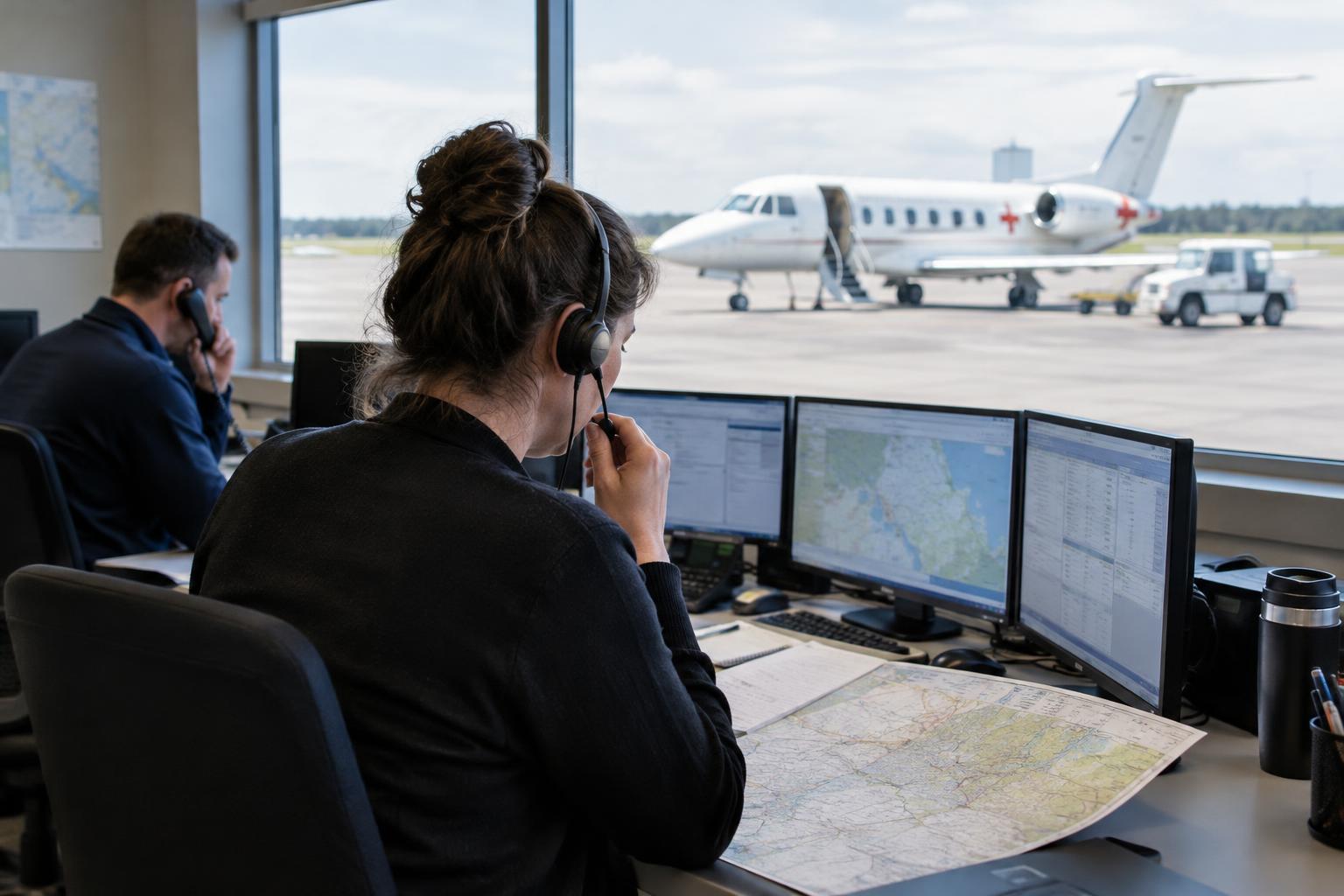
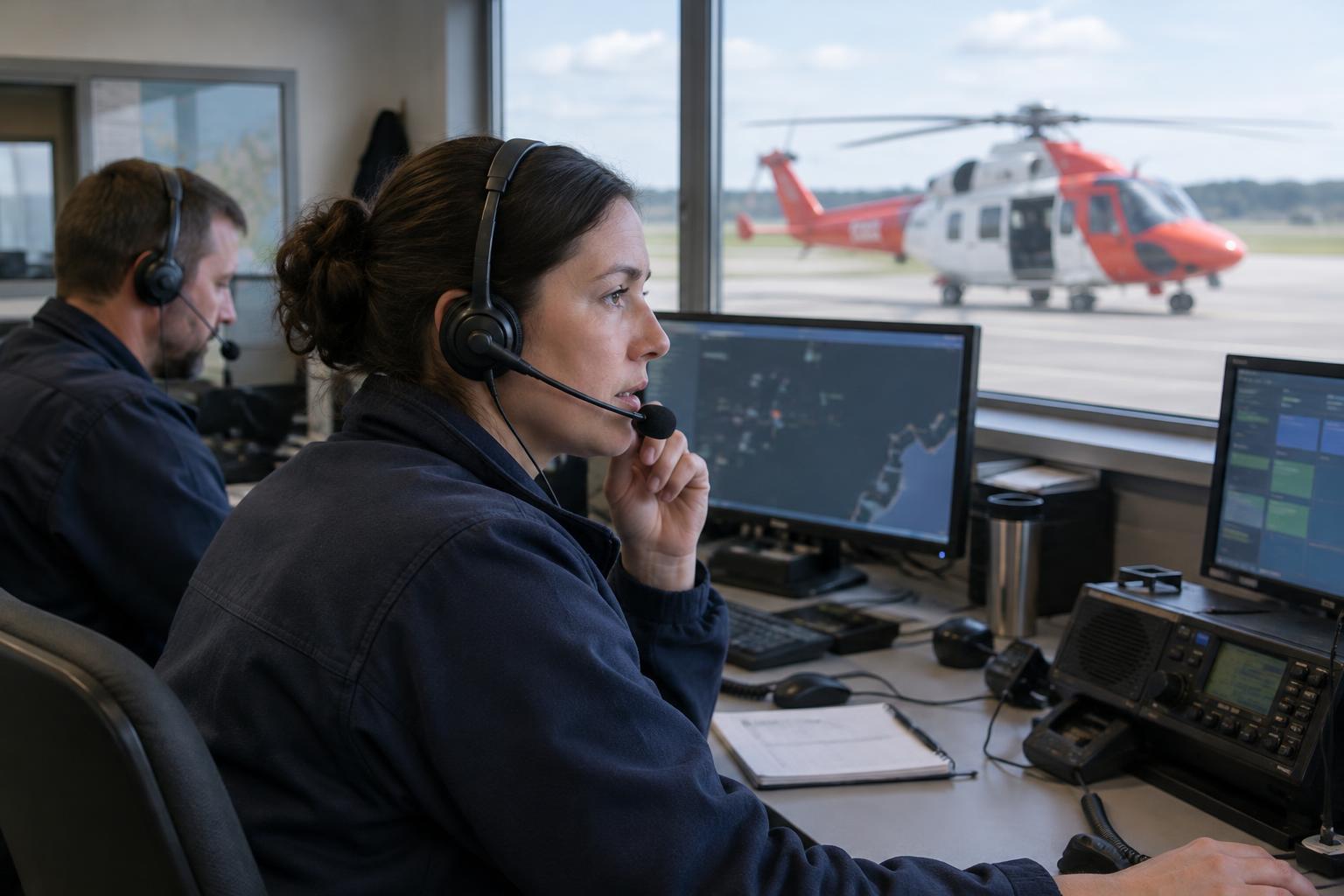
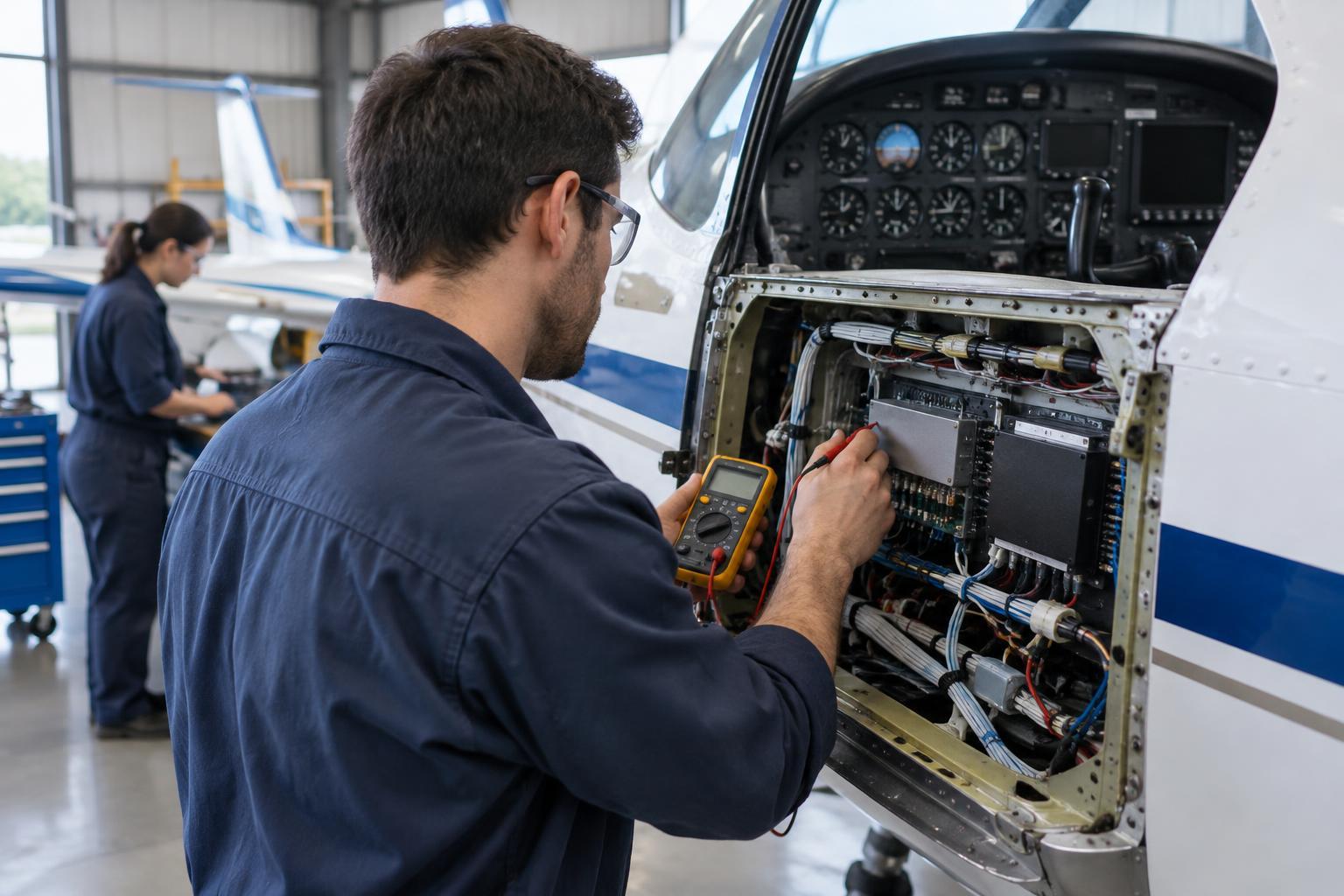
In rescue aviation, the picture can involve flight crews, maintenance personnel, dispatchers, clinical teams and ground partners. Each group sees a different part of a transport. A safety manager needs to understand how those parts fit together without assuming that one report tells the whole story. The role is generally about building a reliable learning process, not assigning blame or making every operational decision.
From an individual report to a useful question
A report is a starting point. A safety manager may first clarify what happened, what the reporter observed and what remains uncertain. They may compare the account with relevant records and speak with people who understand the task. Those conversations work best when they invite specific descriptions: What information was available? Which step was hard to complete? What did the team expect to happen next?
The next step is to look beyond the most visible mistake. A missed message, for example, could involve workload, an unclear contact list, competing radio traffic or a handoff process that depends too heavily on memory. None of those possibilities should be treated as fact without checking. By separating observations from assumptions, a manager can help the team investigate a process rather than settle too quickly on an individual explanation.
Confidentiality and trust matter throughout this work. People are more likely to describe a weak point when they understand how their information will be handled. A safety manager must also recognize that some concerns call for prompt action, while others are better understood by looking for recurring patterns.
Turning findings into practical changes
A useful recommendation addresses the condition that made a problem more likely. If a handoff repeatedly leaves out an important detail, simply reminding everyone to be careful may have limited value. A clearer handoff sequence, a better-placed prompt or a change in how information is displayed might be easier to use consistently. The right response depends on the operation, the people involved and the constraints they face.
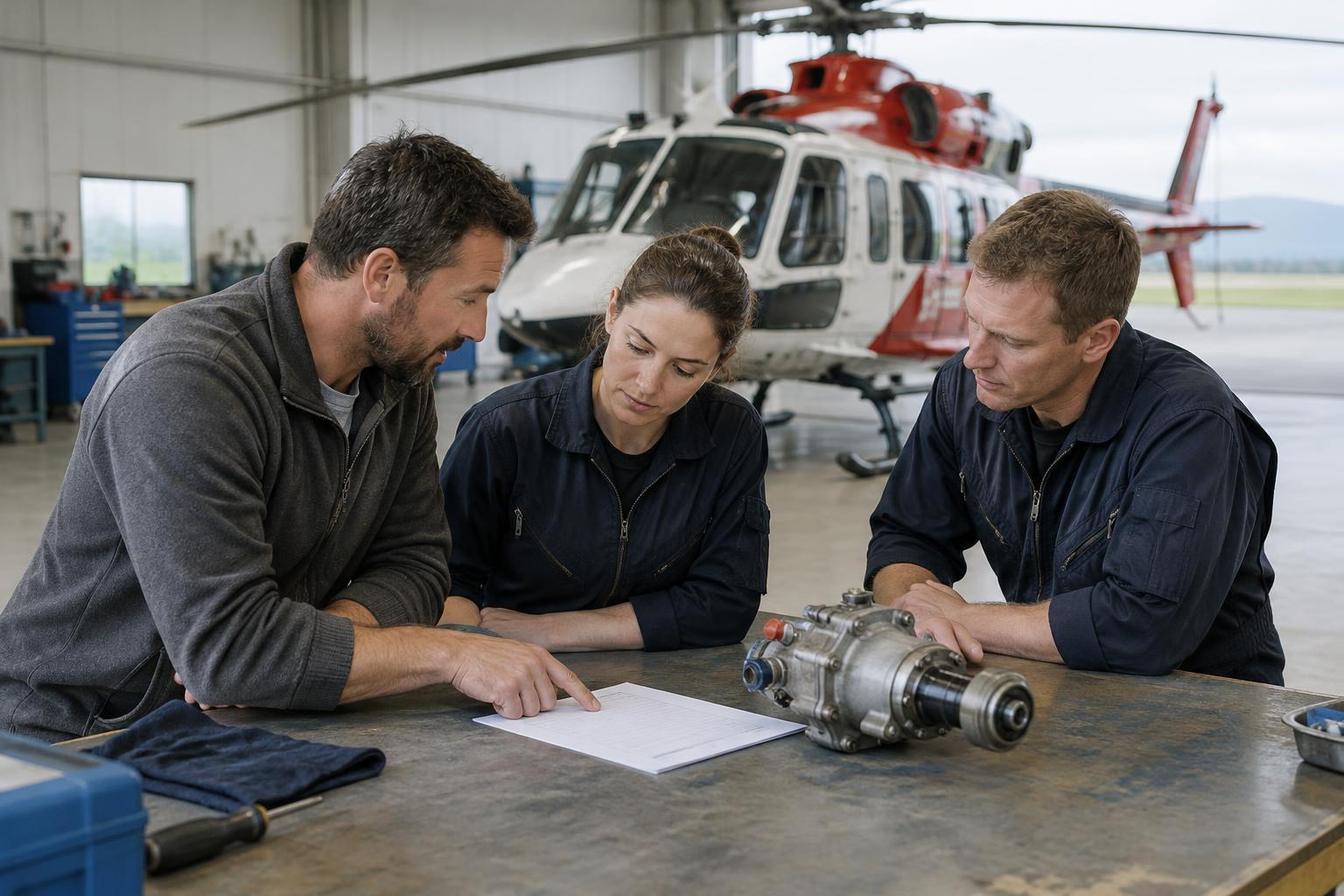
Safety managers rarely make these changes alone. They bring the question to the people who own the relevant process and to those who use it. A proposed revision may need input from pilots, maintenance staff, dispatchers, trainers or other specialists before it can be tested. The manager can help define the concern, record the reasoning behind a choice and make sure responsibility for the next step is clear.
Implementation is not the end of the work. Teams need a way to notice whether a change is being used, whether it solves the original problem and whether it creates an unexpected burden elsewhere. Follow-up may include conversations, observations or review of later reports. If the change is not helping, revising it is part of learning rather than proof that the first effort was wasted.
Skills that help in the role
This career calls for curiosity, careful listening and clear writing. A safety manager must be able to explain a complex event without overstating what is known. They also need to ask questions that make sense to people with different jobs. Familiarity with aircraft operations and safety-management processes is valuable, but so is the ability to learn from someone who performs a task every day.
Organization matters as much as investigation. Reports need to be tracked, related concerns connected and follow-up made visible. A manager may have to distinguish an urgent issue from a longer-term improvement project, then communicate progress without exposing details unnecessarily. They should be comfortable saying that evidence is incomplete and identifying what would help resolve an open question.
There is no single background that fits every safety position. Experience in flight operations, maintenance, dispatch, training or quality work may provide useful perspective. Someone exploring the field can start by studying how aviation teams document concerns, evaluate processes and share lessons, while checking the qualifications required by the particular employer and role.
A career built on follow-through
The most visible part of safety work may be a report or a meeting, but its value lies in what happens afterward. Did the right people hear the concern? Was a proposed change workable in daily operations? Did anyone check the result? These questions keep reporting connected to practice.
For someone drawn to both aviation and collaborative problem-solving, safety management offers a way to support the people who plan, fly, maintain and coordinate aircraft. The role does not promise to eliminate uncertainty. It offers a disciplined way to notice concerns, learn from them and make the next operation better informed.