What does an aviation meteorologist do?
An aviation meteorologist studies atmospheric conditions with a specific question in mind: how might the weather affect aircraft operations? Their work can include interpreting observations, reviewing forecast models, tracking developing hazards and explaining what may change during a planned flight. Depending on the employer, they may produce forecasts, brief operational teams or provide specialized analysis for particular routes and airports.
A useful briefing does more than label the weather “good” or “bad.” It identifies where and when conditions may matter. Low cloud, reduced visibility, thunderstorms, strong winds, icing conditions and turbulence can each affect a flight differently. A meteorologist helps translate a changing weather picture into information that pilots, dispatchers and other planners can use.
Meteorologists support decisions; they do not make every flight decision themselves. Pilots and, where applicable, dispatchers have their own responsibilities and procedures. The meteorologist’s contribution is a clear account of the likely conditions, the uncertainties in the forecast and the developments worth monitoring.
How weather analysis fits into flight planning
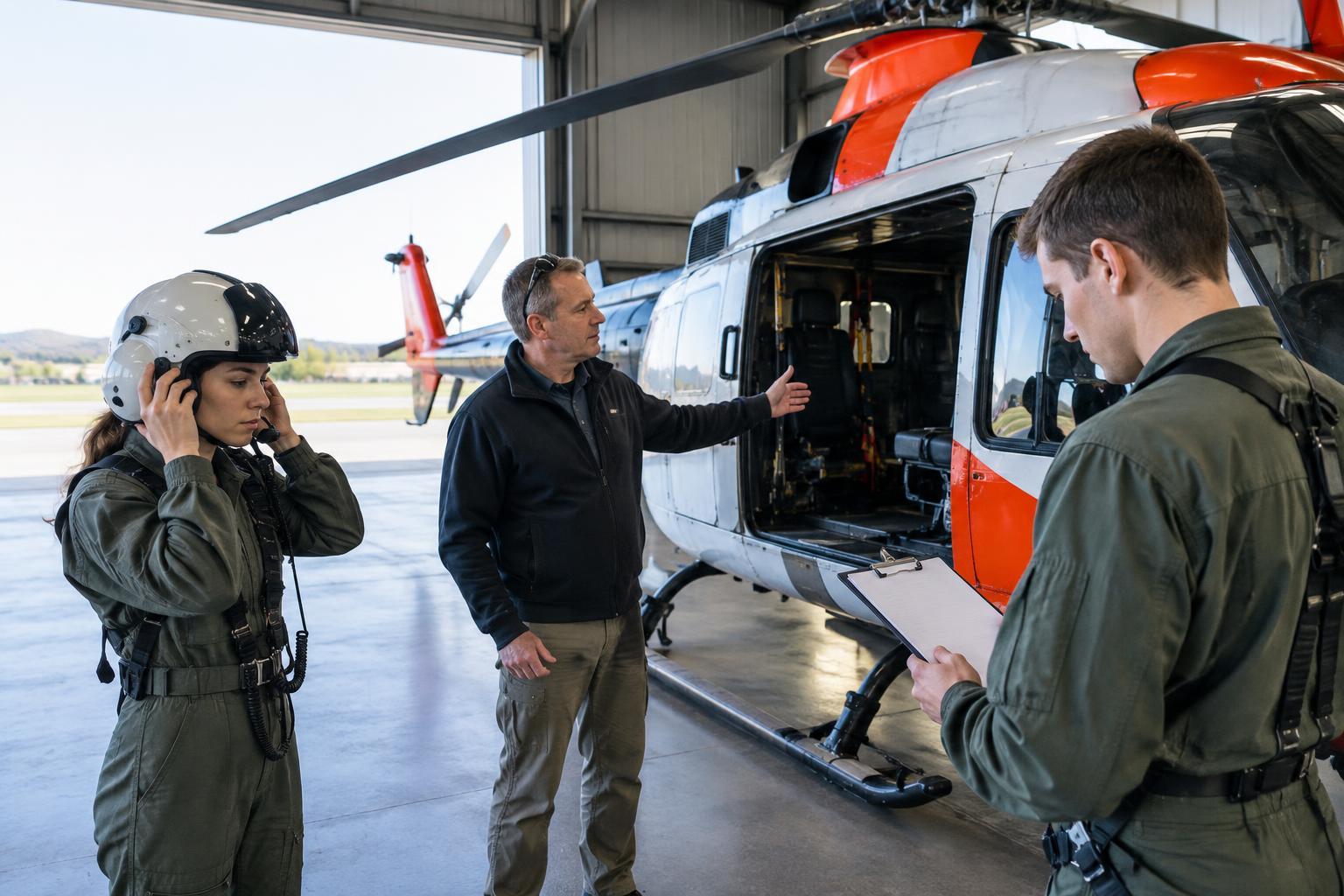
Flight planning involves more than checking the forecast at the departure point. Conditions may differ along the route, at the destination and at potential alternate airports. They may also change between the time a plan is prepared and the time an aircraft arrives. Aviation meteorologists help planners consider that sequence rather than treating a forecast as a fixed snapshot.
For example, a developing line of storms may affect the choice of route or departure time. Strong winds could change expected flight time, while low visibility near a destination could make alternate-airport planning more important. The meteorologist’s task is not simply to name a hazard, but to describe its location, expected movement, timing and confidence level in terms the team can act on.
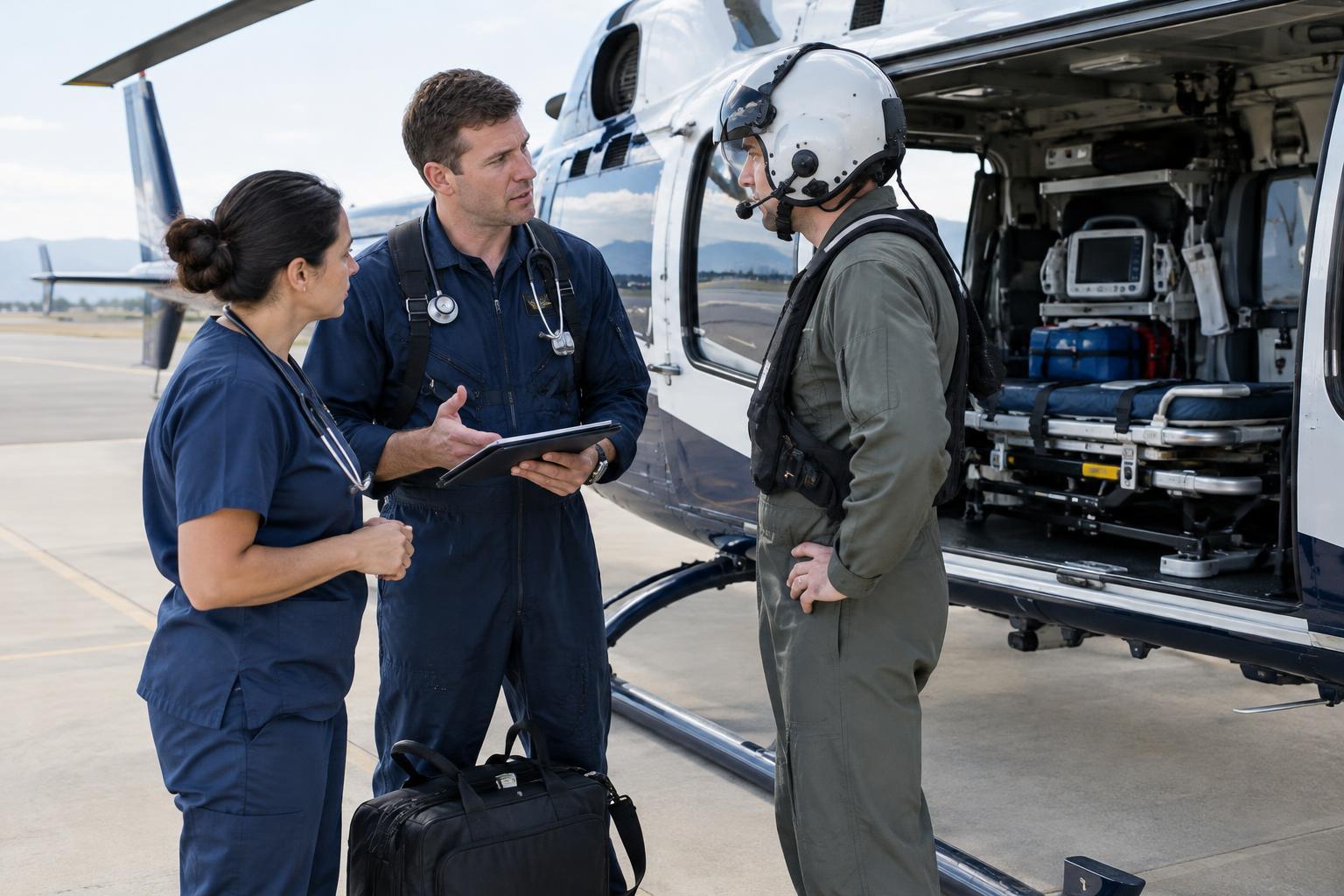
This is especially relevant to time-sensitive flying, including emergency transport. Urgency does not remove weather limits, and a forecast cannot guarantee a safe flight. Clear communication helps a crew weigh a changing situation without confusing the importance of the mission with certainty about the conditions.
The work behind a useful briefing
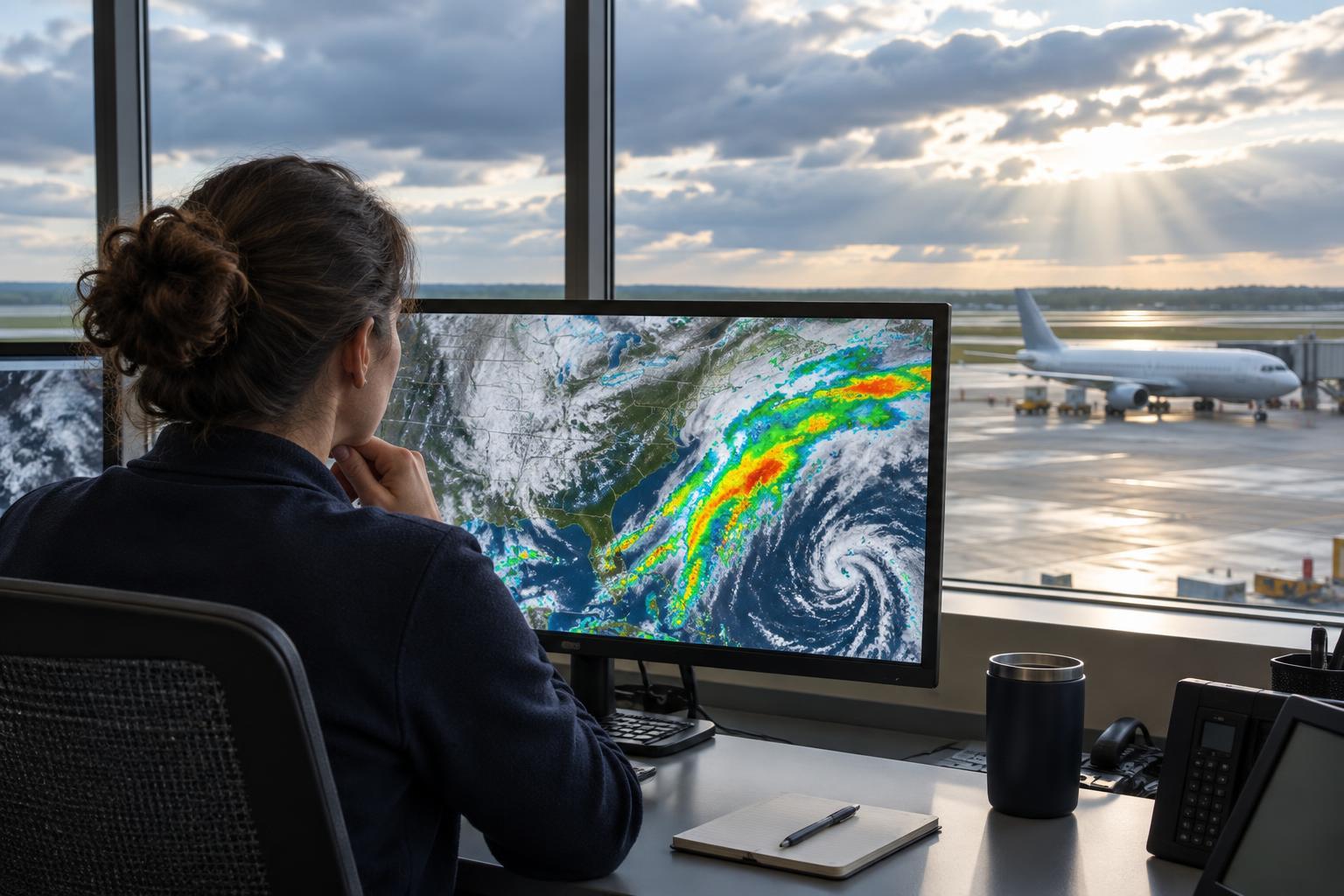
Aviation weather analysis draws on several kinds of information. Surface observations describe conditions at reporting locations; radar and satellite imagery help show how larger weather systems are developing; and forecast products offer projections at different times and levels of the atmosphere. Each source has limitations. An observation may not represent conditions far from the reporting site, while a forecast may be less certain when weather is changing quickly.
A meteorologist compares these sources and looks for a coherent explanation of what is happening. When the evidence conflicts, the briefing should make that uncertainty visible rather than conceal it. Saying that a ceiling may improve later, for instance, is more useful when the listener also understands how confident that expectation is and what signs would suggest a different outcome.
The format of the briefing matters too. A planner may need a concise discussion focused on a route and time window, not a tour of every available weather chart. Good aviation meteorologists can move between detailed analysis and plain-language communication while keeping important qualifications intact.
Skills and pathways into the career
A foundation in meteorology or atmospheric science is a common route into forecasting work. Relevant study may include physics, mathematics, computer-based analysis and the behavior of weather systems. Aviation-specific learning adds the ability to interpret weather information in the context of aircraft operations, airports and flight planning. Job titles, qualifications and hiring requirements vary by country and employer, so prospective applicants should check the requirements for roles that interest them.
Technical knowledge is only part of the job. Forecasters need to assess incomplete information, explain uncertainty and revise their view when new observations arrive. They also need to listen: a crew planning a short flight into a small airport may have different questions from a team looking at a long route with several possible destinations.
People exploring the field can compare job descriptions across aviation weather services, airlines and other flight-support organizations. That can reveal whether a role emphasizes forecasting, briefing, research or operational coordination. Practice explaining a complex forecast in a few clear sentences can also build a skill that is valuable across those settings.
A career built around informed decisions
Aviation meteorology sits where science meets operations. Forecasts must be technically sound, but they must also reach the right people in a form that helps them plan. The work often requires attention to both broad patterns and local details: a regional system may shape the day’s options, while conditions at one airport may determine whether a particular plan remains practical.
For someone interested in both weather and aviation, the appeal is the chance to make complex information useful. An aviation meteorologist cannot control the atmosphere or eliminate uncertainty. They can help a flight-planning team understand the conditions it may encounter, recognize when a forecast is changing and ask better questions before a flight proceeds.