The work behind a transport flight
A medical transport aircraft may be the most visible part of a mission, but it depends on a network of people at airports and bases. Ground crew can help prepare an aircraft, manage its movement on the ramp, maintain its systems and coordinate the resources needed for a departure or arrival. Their work supports the flight crew and medical team without replacing either one.
The term ground crew covers several distinct jobs. A fixed-wing aircraft operating between airports may receive support from line service technicians, mechanics, equipment handlers and operations staff. A helicopter based at a hospital or airport may use a different arrangement, with some duties shared among a smaller team. Job titles and responsibilities vary by operator and location, so the best way to understand a posting is to read its specific duties rather than rely on the title alone.
Roles around the aircraft
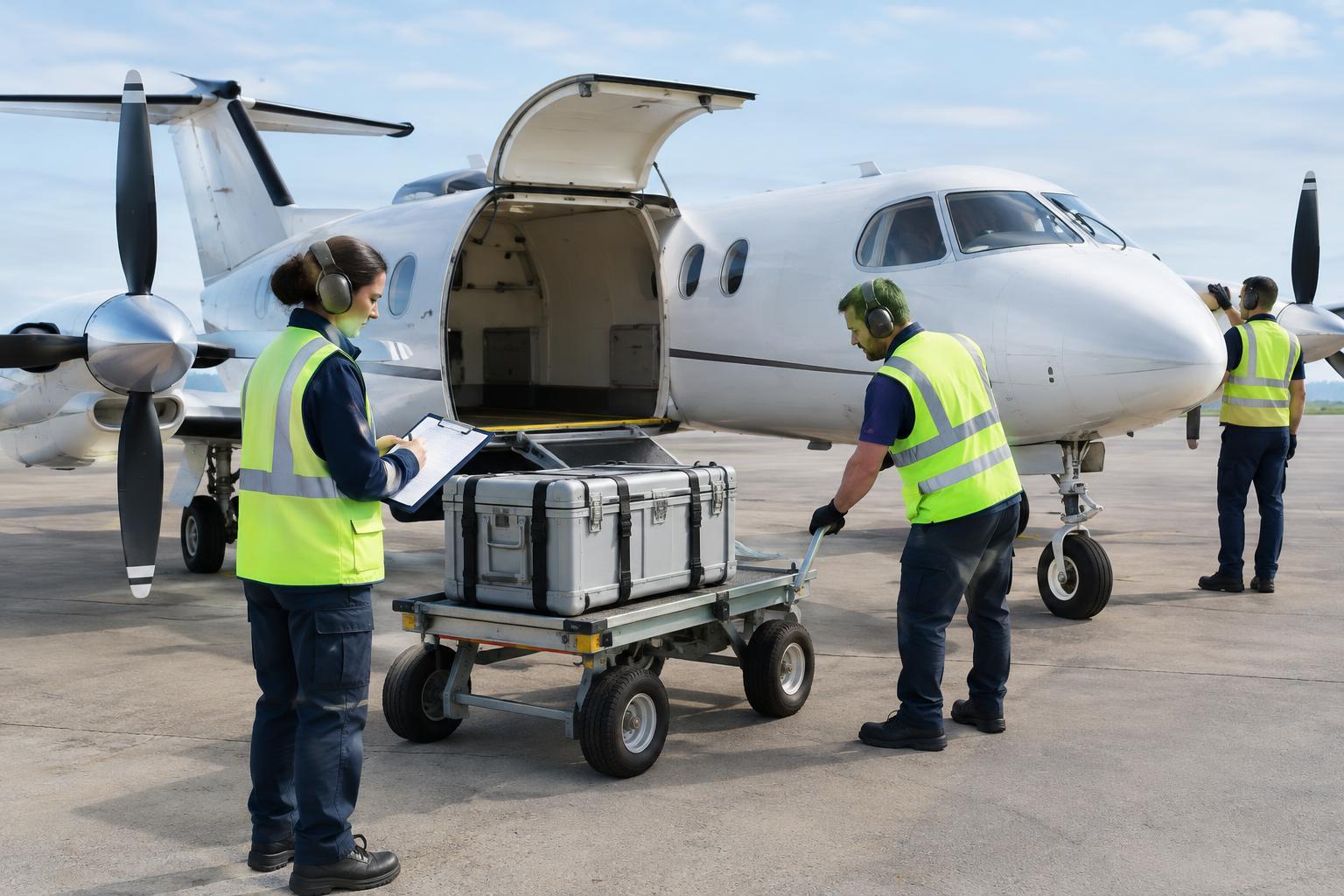
Line service staff often handle practical ramp tasks such as positioning ground equipment, assisting with parking and servicing aircraft under established procedures. Depending on the workplace, they may also help with fueling or towing. These tasks require close attention to aircraft clearances, moving vehicles, weather and the instructions of the people responsible for the aircraft.
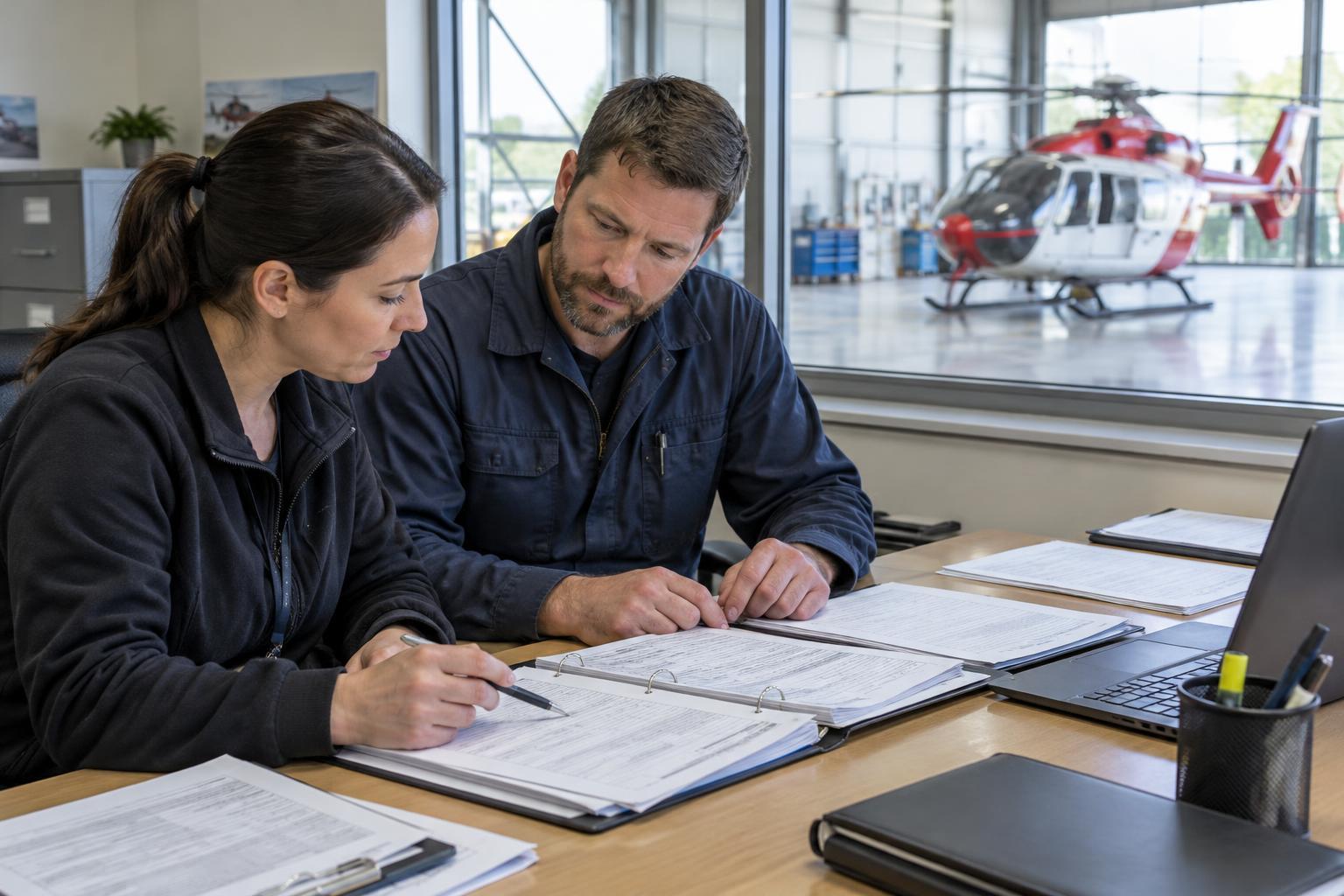
Aircraft maintenance technicians inspect, troubleshoot and repair aircraft within the limits of their qualifications and the organization’s procedures. Their work is different from a quick turnaround check by a pilot or ramp worker. Medical transport equipment can add coordination needs: a technician may need to work with other specialists to ensure installed equipment and aircraft systems are handled appropriately.
Operations and logistics staff support the flow of information. They may arrange ground services, track aircraft availability or relay updates between authorized teams. That does not make them air traffic controllers or clinical decision-makers. Clear role boundaries matter when many people are working toward a time-sensitive departure.
Why the setting calls for careful coordination
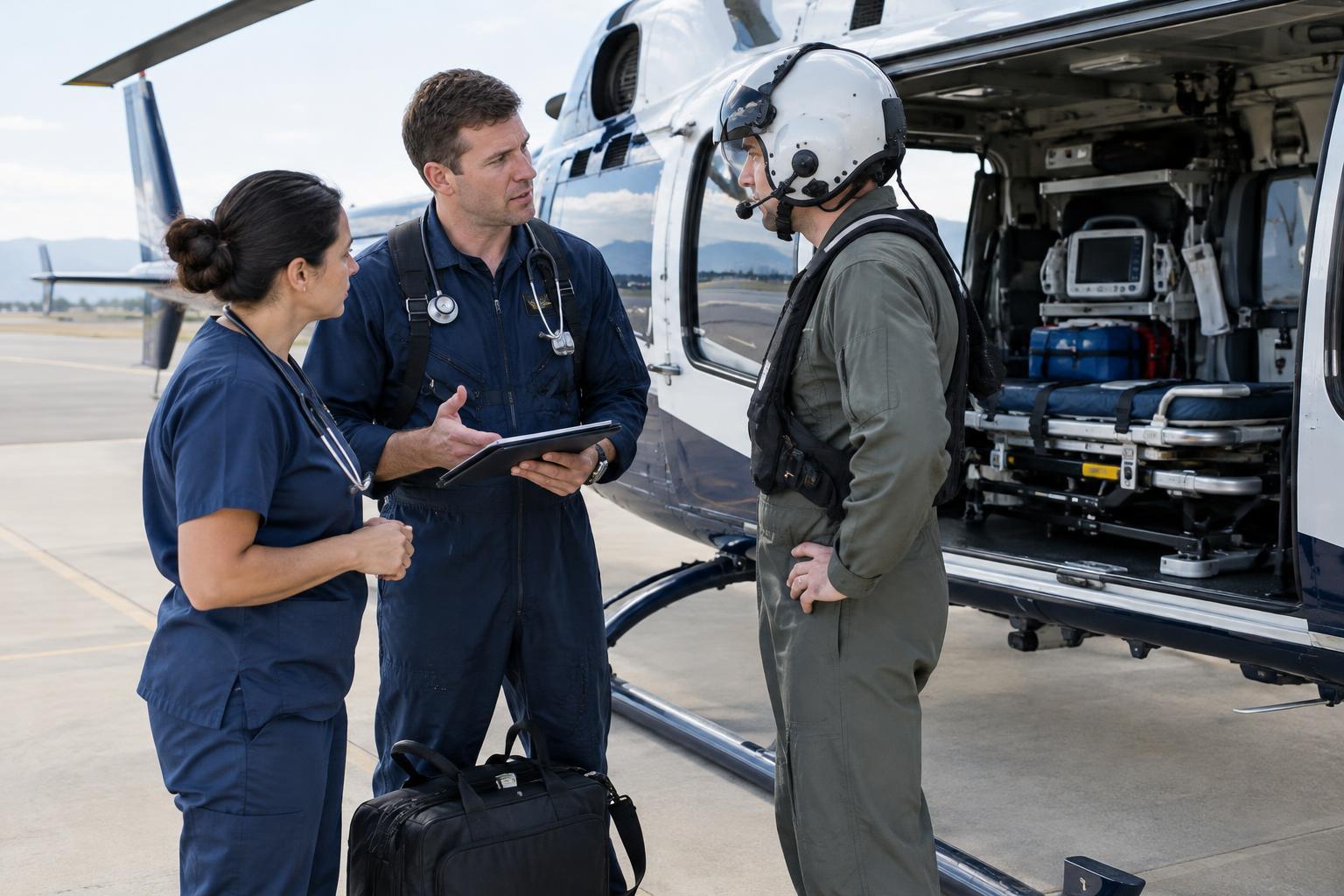
Medical transport work can involve changing schedules and equipment needs. An aircraft might need fuel, a safe parking area, ground power or help moving supplies. Passengers may require a stretcher and associated equipment, but the clinical team determines patient-care requirements. Ground staff contribute by making sure their part of the handoff is understood and completed safely.
Communication is often as important as physical work. A crew member who reports that an item is missing or a task is incomplete gives others a chance to resolve the issue before departure. Confirming who is responsible for a task can prevent confusion when airport staff, aircraft crew and medical personnel work in the same space. The aim is not to rush every step; it is to keep essential steps visible even when plans change.
The ramp is also a hazardous workplace. Propellers, rotors, jet blast, vehicles and poor visibility can make familiar tasks risky. Employers establish procedures for access, protective equipment and aircraft movement. A person new to the field should expect supervised training and should never assume that experience with one aircraft or airport automatically transfers to another.
Skills and routes into the field
Useful strengths include dependable communication, attention to detail and comfort following a checklist or documented procedure. Ground crew may work outdoors, coordinate across shifts and record what they have done for the next person. Staying calm when a plan changes is valuable, but so is recognizing when a question needs to go to a supervisor or qualified specialist.
Entry routes differ by role. Some line service and support positions offer employer training, while aircraft maintenance commonly involves formal technical education, documented experience and qualifications appropriate to the work. Operations positions may draw on experience in airport services, scheduling or transportation coordination. Requirements depend on the employer, aircraft and jurisdiction; a job listing should identify what is required at hiring and what training follows.
For someone exploring the field, airport ground handling and general aviation maintenance are useful areas to learn about alongside medical transport. Comparing job descriptions can reveal whether a role centers on hands-on aircraft work, equipment logistics or communications. It can also show which positions involve direct ramp access and which are based primarily in an office or operations center.
Finding the right fit
A good career choice starts with the work itself, not the urgency associated with a medical flight. A person who enjoys methodical inspection may prefer maintenance; someone who likes coordinating people and resources may prefer operations. Line service may appeal to those who want active, outdoor work around aircraft.
When considering an opening, look for clear descriptions of training, supervision, shift expectations and how responsibilities are divided among teams. Ask how staff raise a safety concern and who has authority to release an aircraft or make operational decisions. Ground crew careers can be rewarding precisely because their contributions are practical and defined: they help make a complex transport effort possible, one careful task and clear handoff at a time.