The role behind a ready aircraft
Rescue aviation brings pilots, medical personnel, dispatchers and ground teams into view. Aircraft maintenance technicians often work less visibly, but their decisions help determine whether an aircraft is ready to fly. They inspect, service, troubleshoot and repair aircraft in accordance with approved procedures. They also record what they find and what work they perform, so the next person has an accurate account of the aircraft’s condition.
The work varies with the aircraft and organization. A technician might maintain a helicopter used for access to confined landing areas or a fixed-wing aircraft suited to longer journeys. Either way, rescue aviation adds an operational consideration: an aircraft may be requested at an unpredictable time. That urgency does not remove the need to follow maintenance requirements. A technician must be able to distinguish between a problem that has been properly resolved and an aircraft that must remain unavailable.
What the work looks like
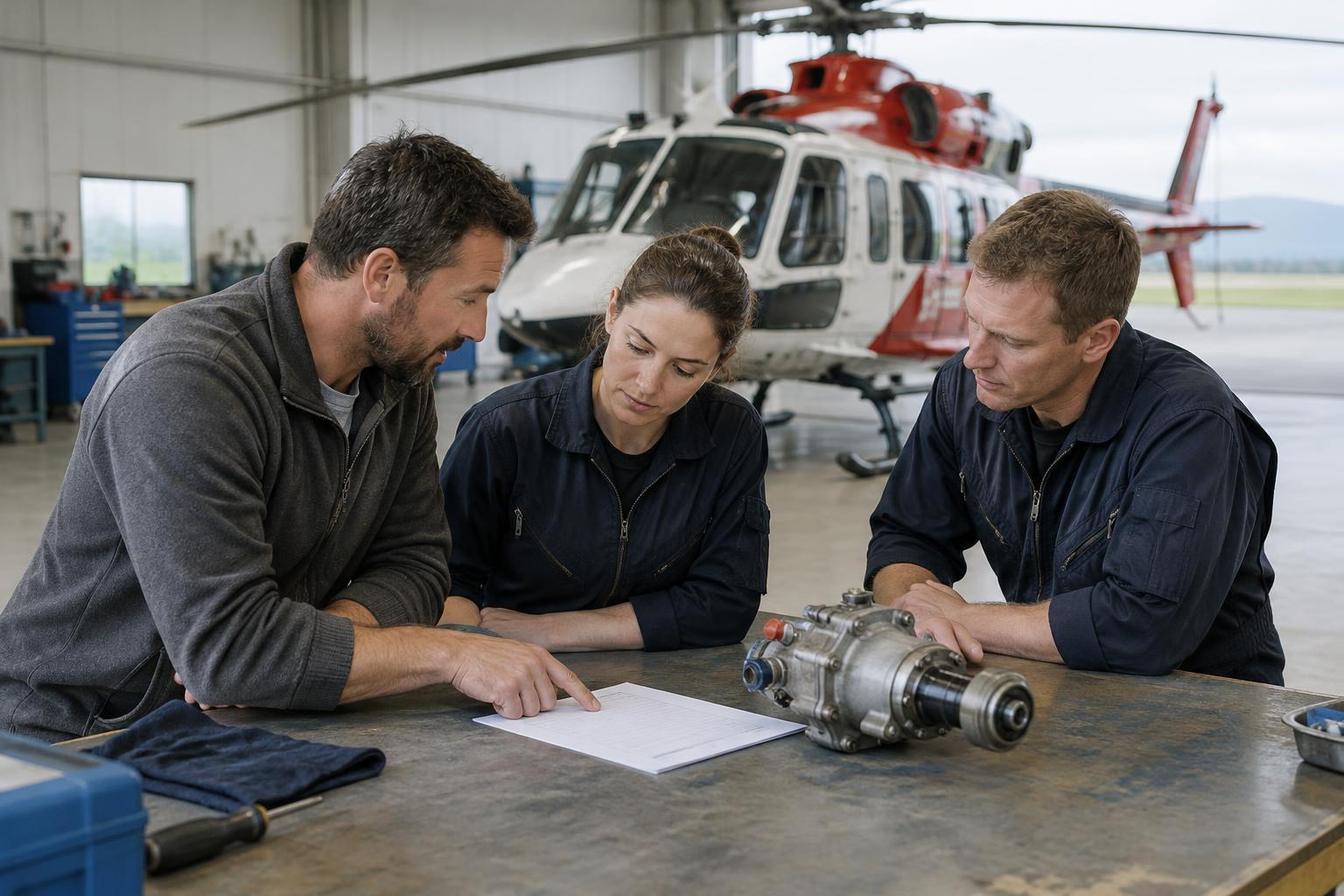
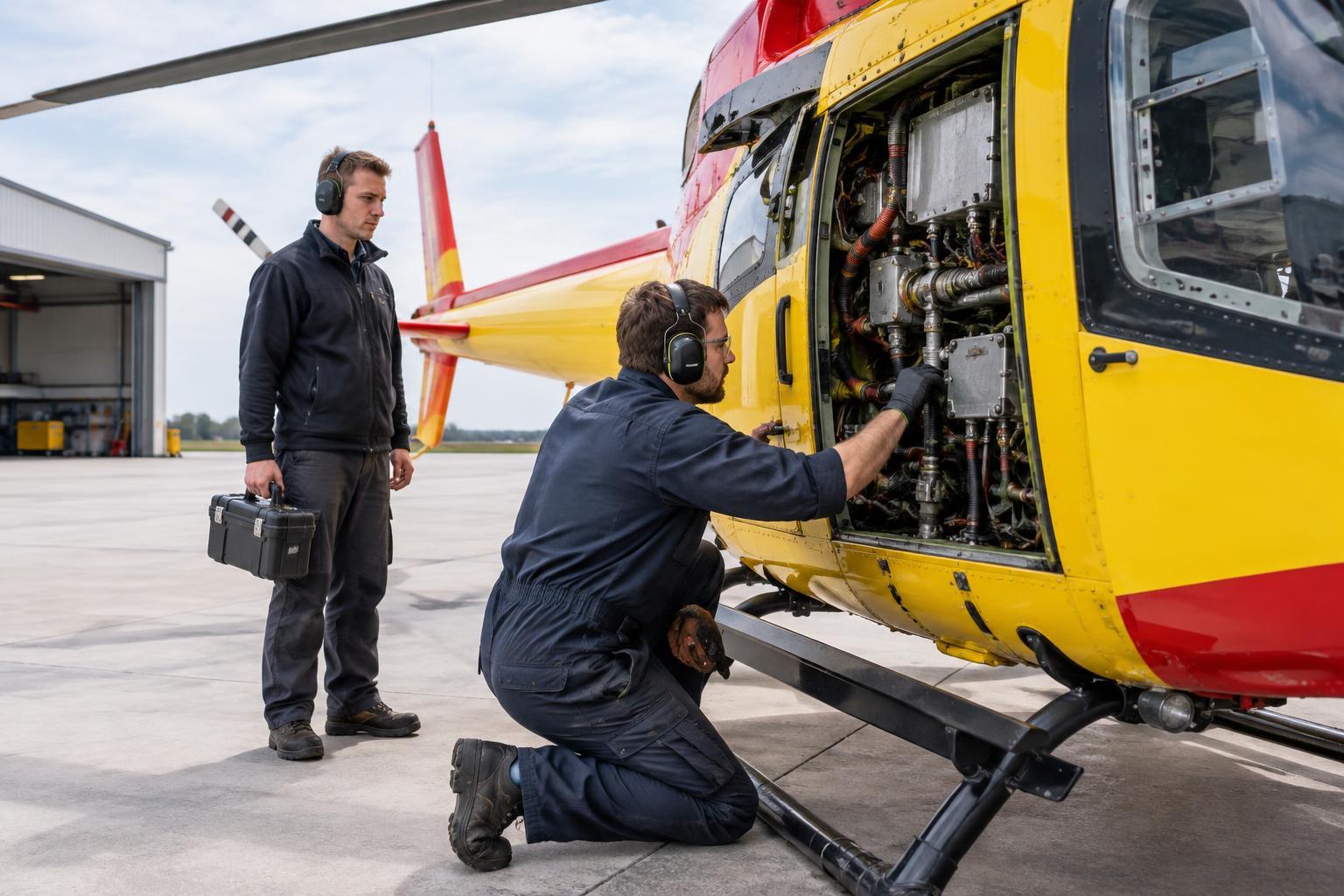
Maintenance includes planned tasks and unexpected ones. Technicians may examine components for wear, service systems, test equipment, replace approved parts and investigate faults reported by a crew. Troubleshooting can be especially demanding when a problem appears only intermittently. Rather than guessing, technicians use documentation, measurements, inspections and the history of reported symptoms to narrow down possible causes.
Rescue aircraft may carry mission equipment alongside standard aircraft systems. Depending on the operation, that equipment can include radios, lighting, cabin fittings or provisions for securing a stretcher. Maintenance responsibilities for these items depend on how they are installed and who is authorized to work on them. A technician needs to understand those boundaries and coordinate with the appropriate specialists rather than assume every item in the cabin is maintained in the same way.
Records are part of the technical work, not an afterthought. Clear entries help crews and other maintainers understand what was inspected, what changed and whether further attention is needed. Good handovers matter when shifts change or a fault requires several steps to diagnose.
Training and a path into the field
People commonly enter aircraft maintenance through a recognized training program, an approved workplace training route, military experience or a combination of education and supervised practice. The qualifications and permissions needed to perform or certify work vary by country, aircraft type and task. Prospective technicians should check the requirements of the aviation authority where they intend to work and compare those requirements with a program’s curriculum.
A foundation in mechanical systems, electrical principles, aircraft structures and technical documentation is useful. So is comfort with careful, hands-on work: using tools correctly, following a procedure in sequence and checking a result before moving on. Experience with a particular aircraft type or system may become important when applying to a rescue aviation employer, but many skills transfer from other parts of aviation maintenance. Learning does not end with an initial qualification; aircraft, equipment and procedures can change throughout a career.
Working with an operational team
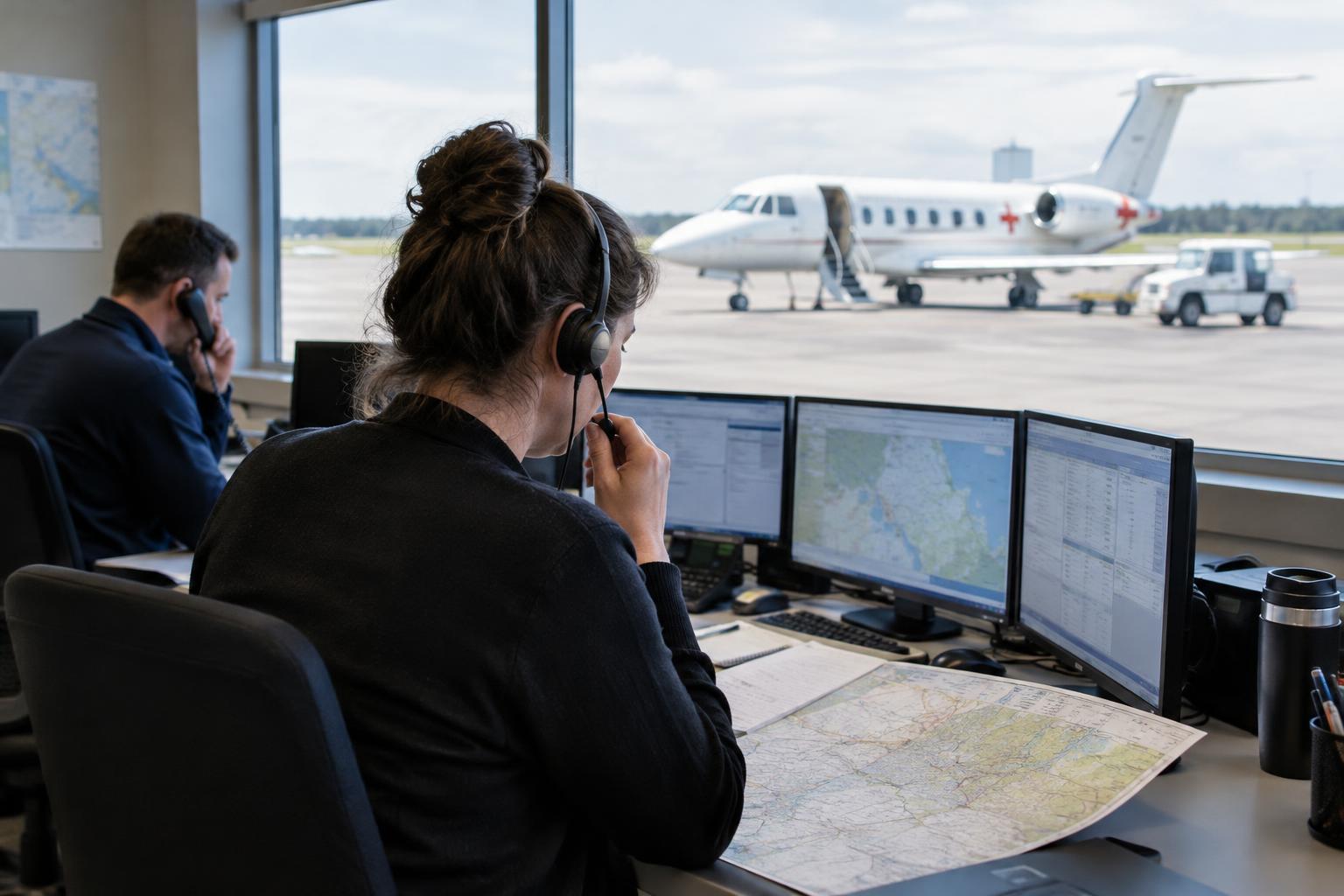
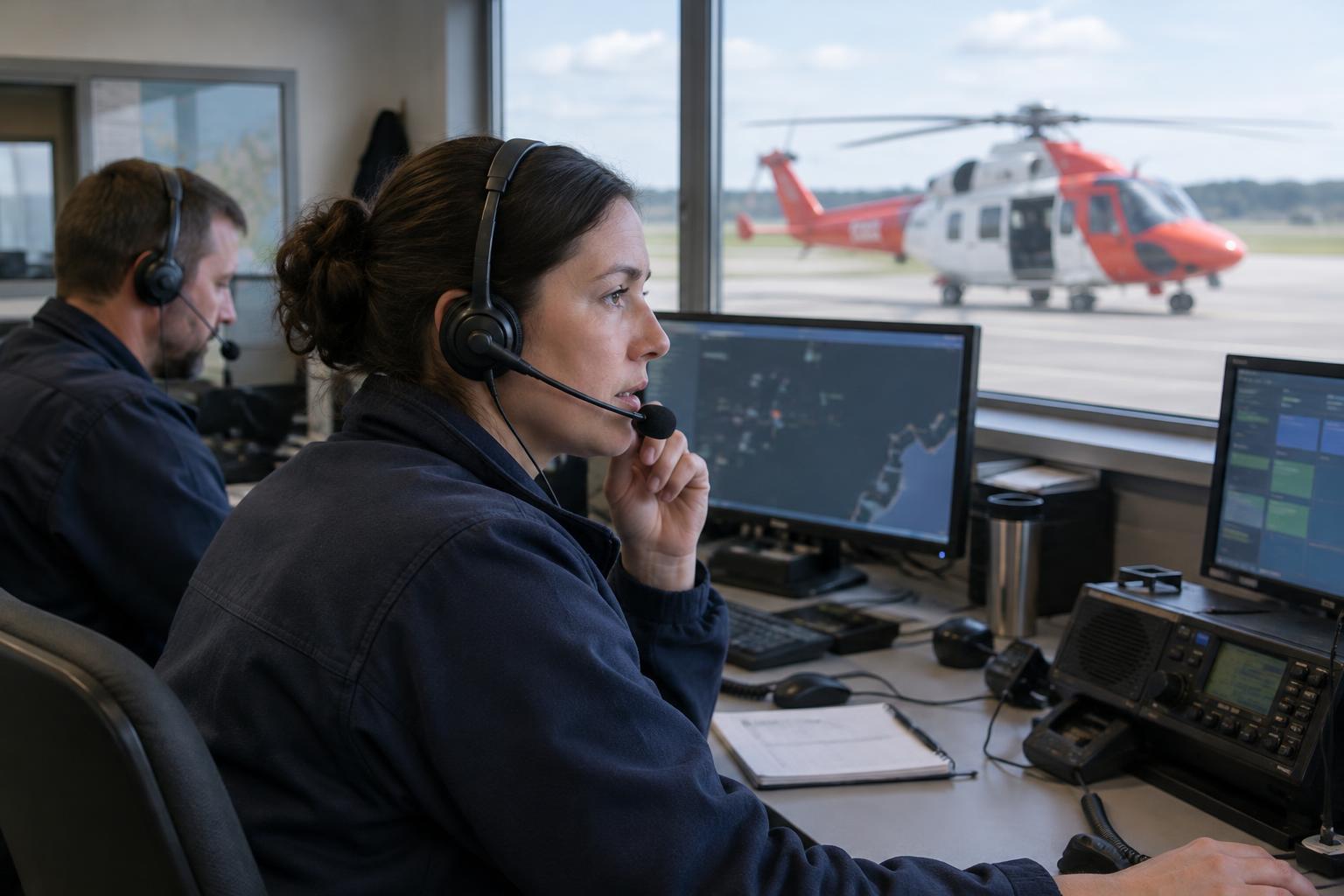
A maintenance technician does not work in isolation from flight operations. Pilots provide reports about how an aircraft behaved, while maintenance staff explain findings, limitations and the status of repairs. Dispatch and scheduling personnel need dependable information about aircraft availability. Effective communication is specific: which symptom was observed, under what conditions, what checks were completed and what remains unresolved.
The culture of a maintenance team matters when schedules are tight. A technician may need to pause work to clarify an instruction, ask another qualified person to inspect a finding or explain why a repair cannot be rushed. These are ordinary parts of responsible maintenance, even if they delay a planned flight. Attention to detail, willingness to speak up and respect for colleagues’ expertise are as valuable as speed.
Deciding whether the career fits
Rescue aviation can appeal to someone who wants technical work connected to a clear public purpose. It can also involve shift work, changing priorities and the pressure of knowing that crews are waiting for an aircraft. The exact conditions differ among employers, so it is worth asking how maintenance coverage is arranged, what aircraft and equipment are used, and how training and supervision are provided.
Before choosing a program or applying for a role, look for opportunities to speak with working technicians and learn about the broader aviation maintenance field. Ask what a typical shift involves, how new team members build competence and how the organization handles difficult troubleshooting or handovers. A sustainable career rests on sound training, careful judgment and a workplace that gives technicians the time and support to do the job properly.