The route from tank to engine
An aircraft fuel system does more than store fuel. It must hold fuel securely, make it available to the engine under the conditions the aircraft is designed to encounter, and give the crew useful information about what remains. Those jobs involve a chain of components rather than a single tank and gauge.
Fuel typically travels from a tank through lines, valves and filters before reaching the engine. Depending on the aircraft, pumps may help move it along that route. The details vary considerably between helicopters and fixed-wing aircraft, and between models within either group. The central design question is the same: can the engine receive the fuel it needs throughout the aircraft’s approved operating range?
For a rescue aircraft, that question sits alongside other equipment considerations. Cabin installations, specialized gear and the aircraft’s overall loading affect how much weight is available for fuel. Fuel-system design does not resolve those trade-offs on its own, but it helps determine what options the aircraft can offer.
Tanks, vents and usable fuel
Fuel tanks may be built into the airframe or installed as separate units. Their location influences capacity, weight distribution and how fuel reaches the engine. An aircraft with more than one tank may also have valves that let the system draw from a selected tank or manage fuel between tanks. Such arrangements are model-specific; having multiple tanks does not mean every aircraft can use them in the same way.
Tanks also need a way to accommodate changes in air pressure as fuel is used. Vents serve that purpose. Without adequate venting, a tank could resist the flow of fuel even though fuel remains inside it. Vent designs therefore account for fuel delivery as well as the need to limit unwanted leakage or contamination.
A tank’s total capacity is not necessarily the amount available to the engine. Some fuel may remain below an outlet or otherwise be unavailable under specified conditions. Aircraft documentation distinguishes usable fuel from total fuel, an important reminder that a capacity figure alone cannot describe what the system can deliver.
Pumps, filters and system protection
Some aircraft rely on gravity for part of the fuel path; others use engine-driven or electric pumps, sometimes in combination. A pump can help maintain delivery where tank position, engine location or operating conditions make gravity alone insufficient. Certain designs include a backup means of supplying fuel, but the presence and purpose of that equipment depend on the aircraft.
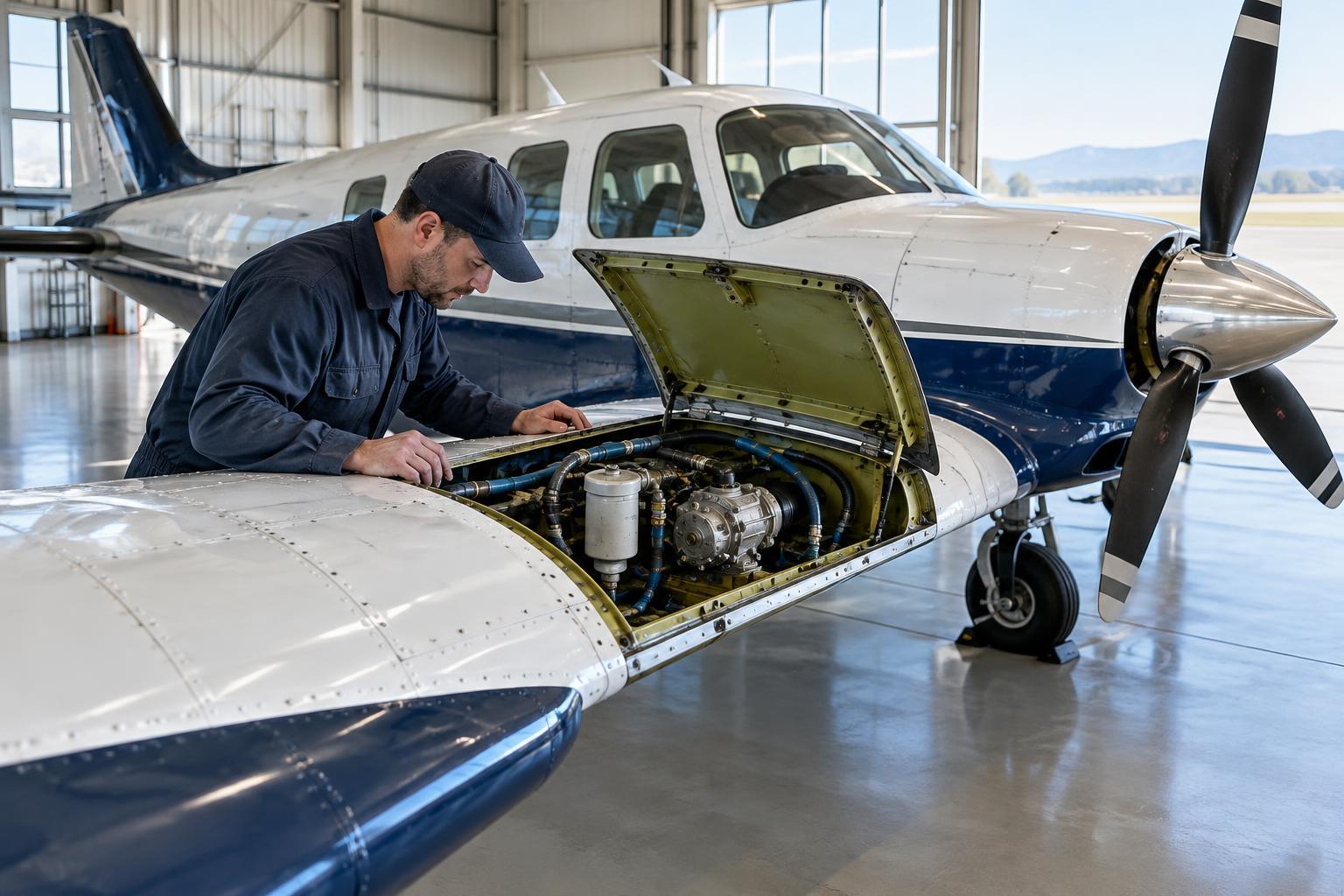
Filters and strainers help keep unwanted material from continuing toward the engine. Drains and inspection points can also make it possible to check for contamination during routine aircraft care. These components illustrate why fuel-system condition matters as much as fuel quantity: a tank can contain fuel while a restriction or fault interferes with its delivery.
Valves, lines, pumps and electrical connections add complexity as well as capability. Each component must fit the aircraft’s design and maintenance requirements. A general diagram can explain the path fuel takes, but it cannot substitute for the documentation and training associated with a particular aircraft.
What cockpit indications tell the crew
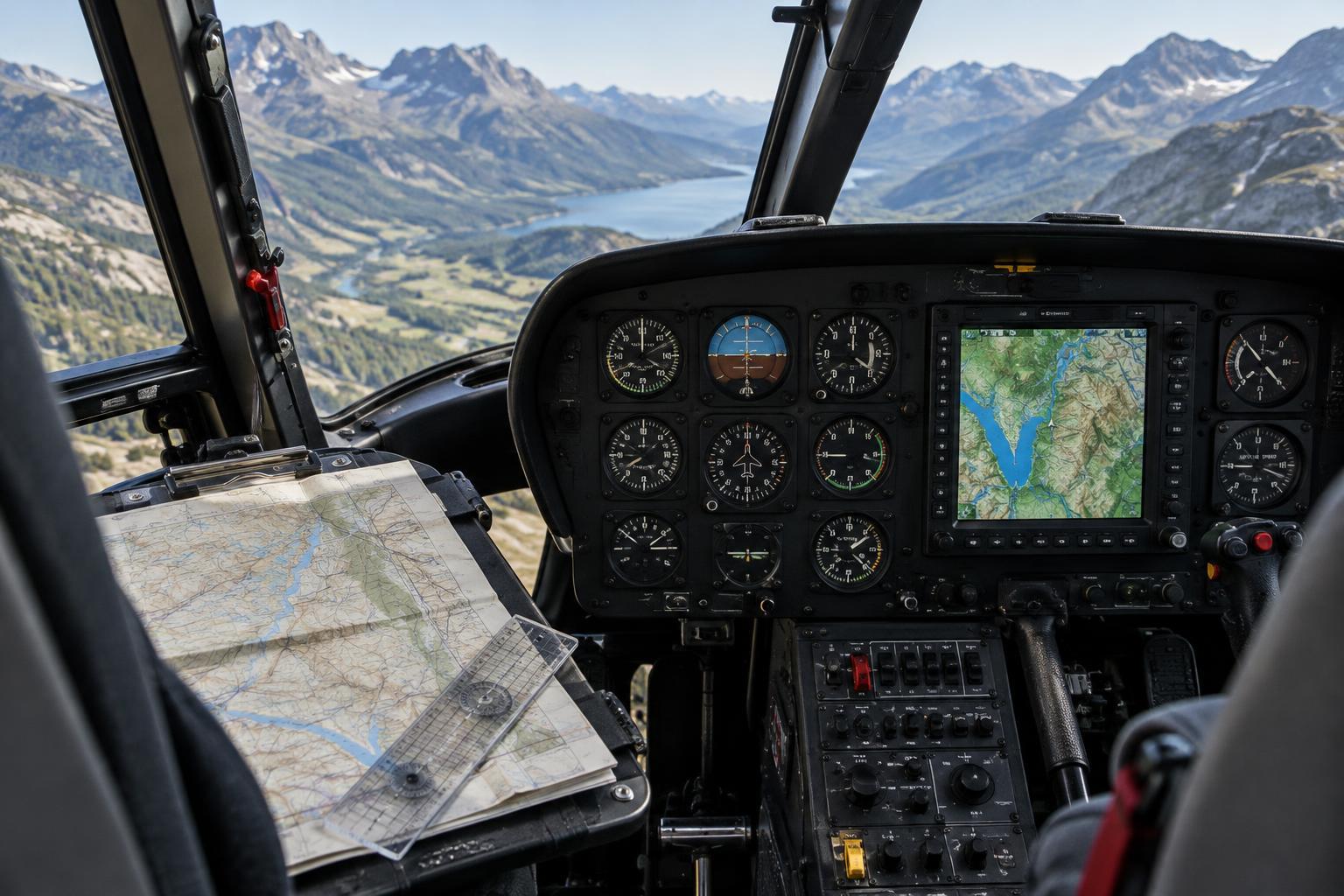
Fuel gauges provide an indication of quantity, while other instruments or alerts may show fuel pressure, flow or a system fault. Together, these displays help the crew understand both how much fuel appears to remain and whether the delivery system is behaving as expected. Not every aircraft presents the same information, and a reading has to be interpreted in the context of its system.
Quantity indications have limits. Fuel can move within a tank as an aircraft changes attitude, and measuring equipment may have tolerances or faults. For that reason, crews use the procedures and information specified for their aircraft rather than treating one gauge reading as the whole picture.
In rescue aviation, clear indications also support coordination. Pilots need a shared understanding of the aircraft’s status when considering a destination or a change of plan. Cabin personnel may not manage the fuel system, but they can benefit from knowing why an aircraft-related decision affects the transport schedule.
Why system design matters beyond capacity
Two aircraft with similar fuel capacities can have different tank arrangements, delivery paths, indications and maintenance needs. Those differences influence how crews monitor the aircraft and how technicians inspect it. They can also affect the space and weight available for other equipment.
The useful way to think about a fuel system is as a complete path: storage, venting, delivery, protection and indication. Understanding that path makes it easier to see why fuel on board and fuel available to an engine are related but not identical ideas. It also explains why aircraft equipment choices are evaluated as connected parts of a design, rather than as isolated specifications.