What counts as the airframe?
The airframe is the aircraft’s physical structure: the body, supporting framework, exterior surfaces and many of the parts that connect them. It is not the same thing as the engine, avionics or medical equipment, although the structure must provide places to mount and protect those systems. Thinking about the airframe as a carefully arranged set of spaces and load paths makes its many visible parts easier to understand.
Rescue aviation uses both helicopters and fixed-wing airplanes. Their shapes differ because helicopters can take off and land vertically, while airplanes rely on wings moving through the air to generate lift. Yet both need a structure strong enough for flight and landings, openings that allow people and equipment to move, and an interior that can accommodate the work intended for the aircraft. No single airframe layout suits every transport task.
The fuselage: structure and usable space
The fuselage is the main body. It contains the flight deck and, where fitted, a cabin or cargo area. Its outer skin and internal frames help carry loads through the aircraft. Windows and doors interrupt that structure, so their locations and surrounding supports are part of the design rather than simple cutouts added for convenience.
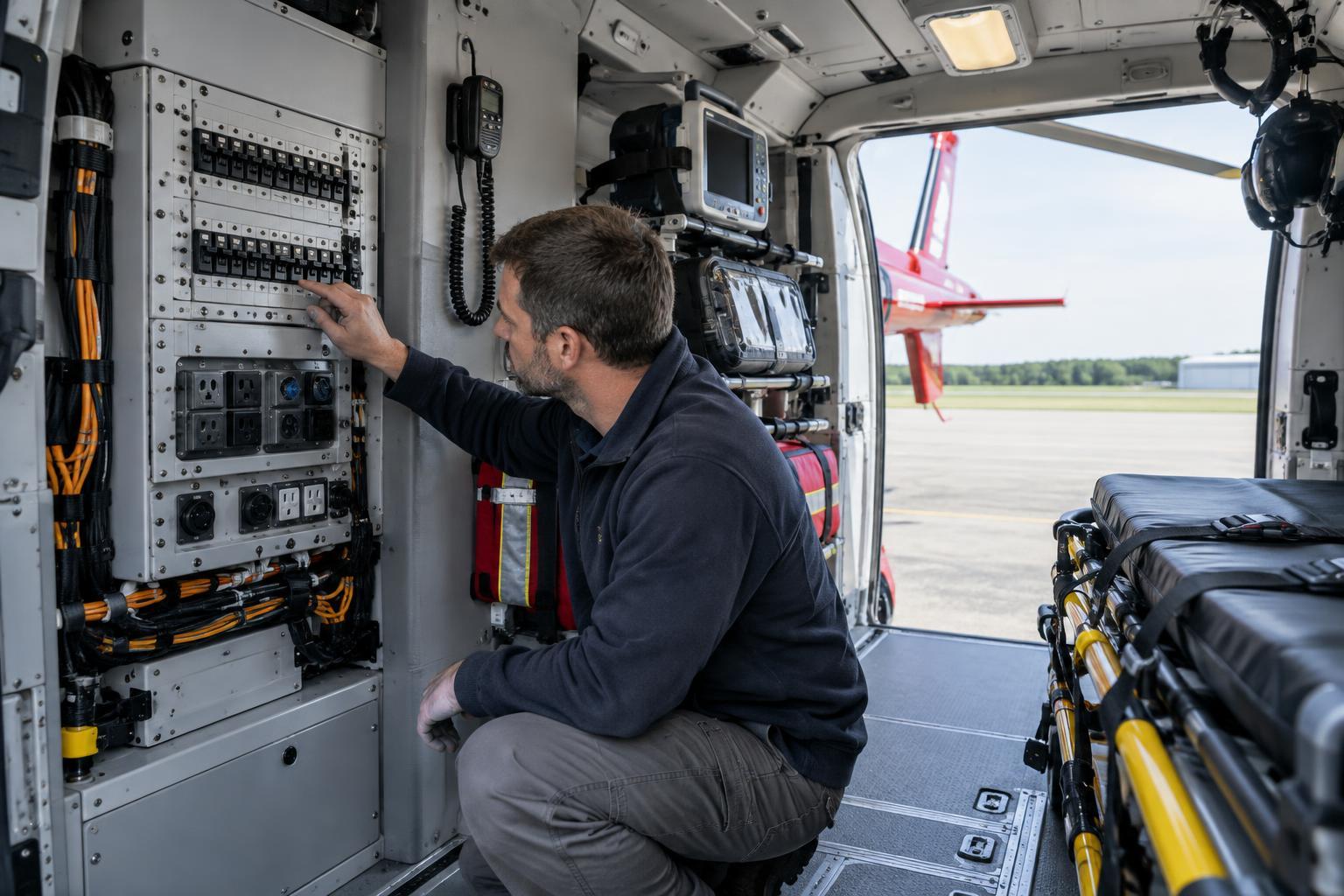
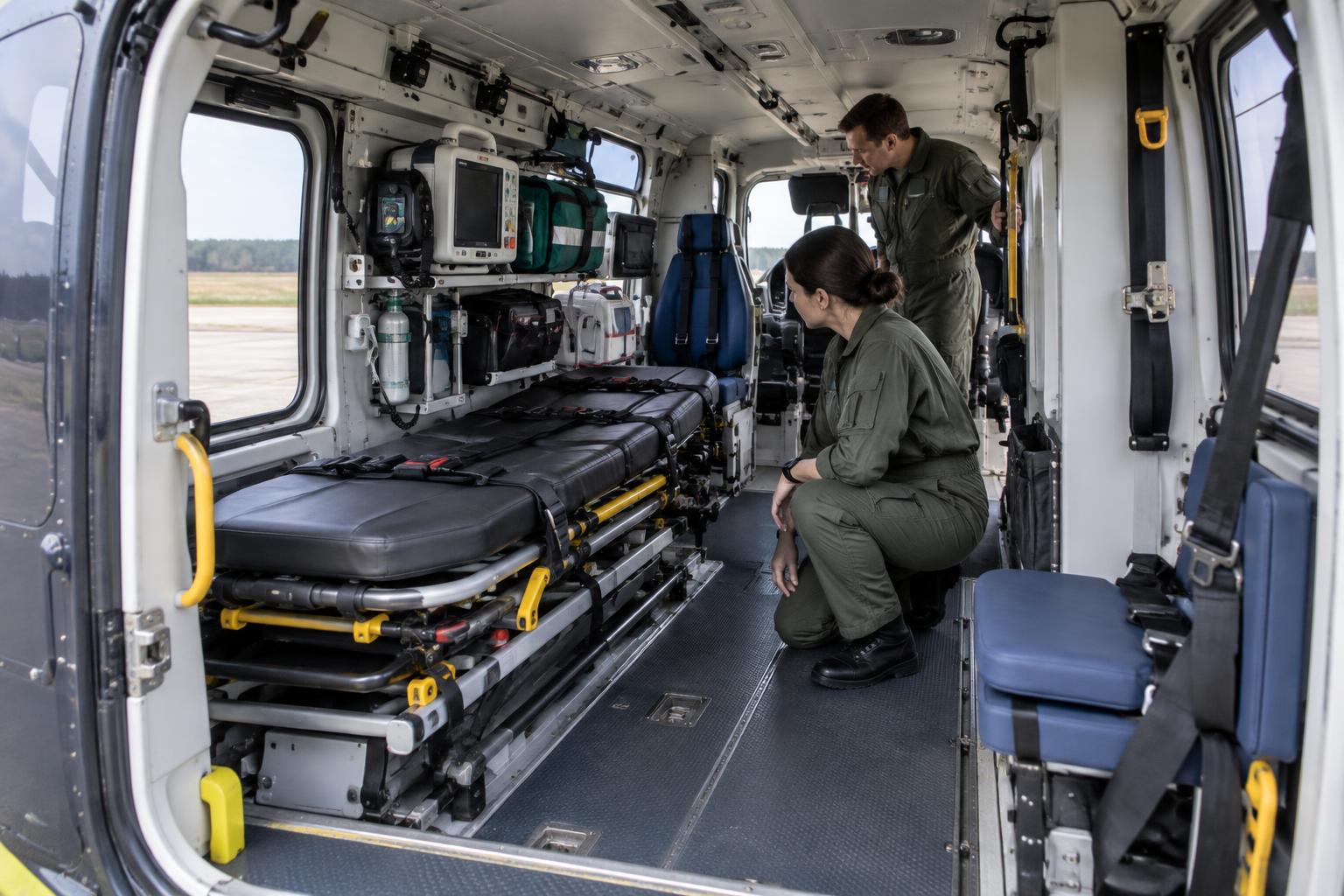
In a rescue aircraft, cabin shape affects how occupants enter, where a stretcher or other carried item can fit, and whether crew members have room to work while secured. A wide doorway may ease loading, but the opening alone does not tell the whole story: the floor height, door swing, interior width and nearby fittings also matter. The airframe provides the space; the approved interior arrangement determines how that space can be used.
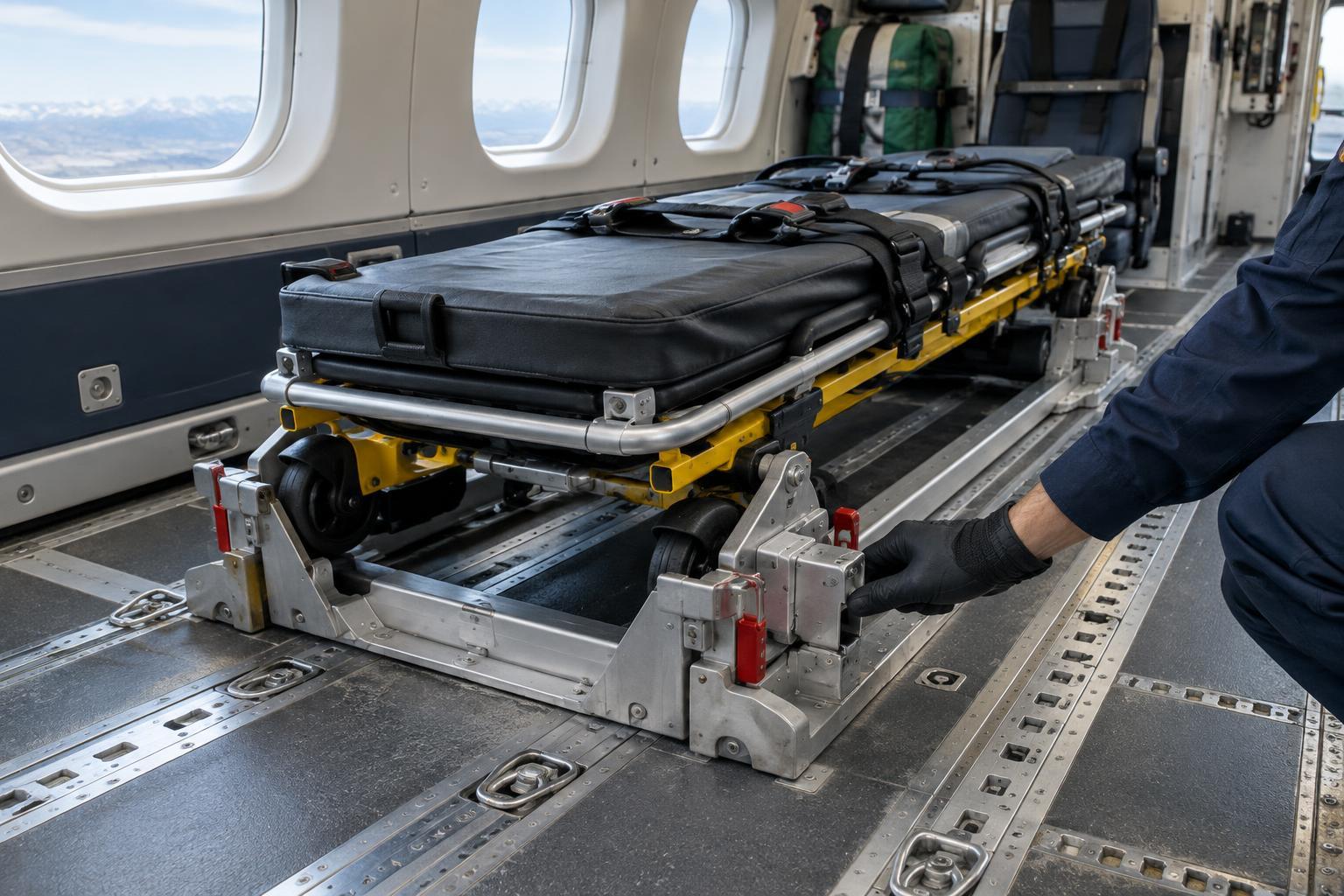
The cabin floor is another important component. It supports occupants and installed equipment and may incorporate approved attachment points. Items must remain secure as the aircraft accelerates, turns and lands. This is why an apparently open cabin is not necessarily interchangeable with another aircraft’s cabin, even if their overall dimensions look similar.
Wings, rotor supports and tail structures
On a fixed-wing airplane, the wings provide lift and connect to the fuselage through a structure designed to carry substantial forces. Wing shape and placement influence where doors, landing gear and fuel storage can be located. The tail usually includes horizontal and vertical surfaces that contribute to stability and control. Together, these parts give the airplane its familiar outline while serving distinct structural and aerodynamic purposes.
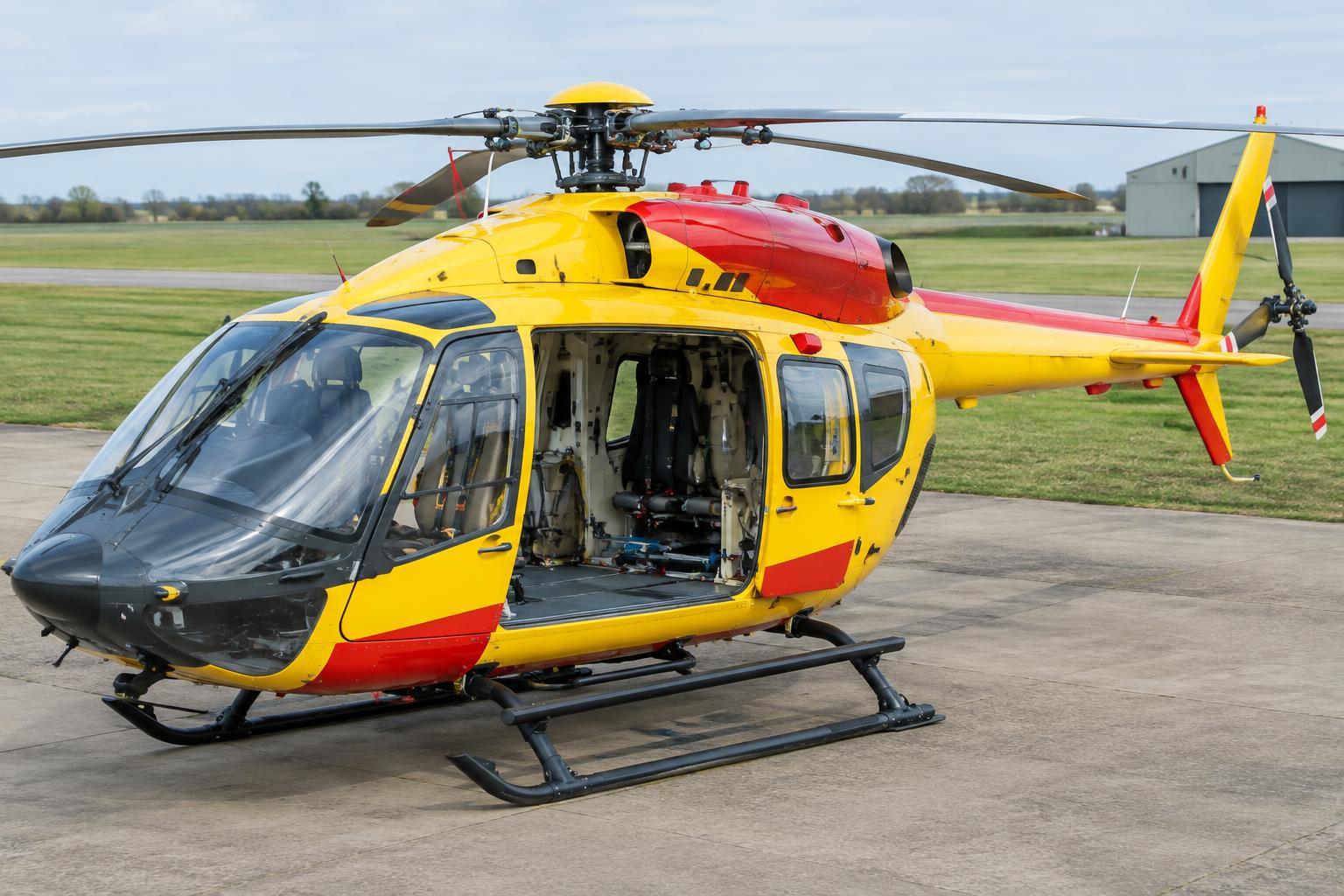
A helicopter has no fixed wings that provide its main lift. Instead, its airframe supports a rotor system above the cabin. The rotor blades and their moving mechanisms are more than passive structure, but the supporting mast area and surrounding fuselage must carry their forces. Many helicopters also have a tail boom that positions the tail rotor or another anti-torque arrangement away from the main cabin.
These differences affect everyday layout. A helicopter’s tail boom extends well beyond its cabin, while an airplane’s wings occupy space on either side of the fuselage. When comparing aircraft for a transport role, it helps to look beyond cabin size to the full aircraft shape and the access routes around it.
Landing gear, doors and exterior fittings
Landing gear supports an aircraft on the ground and absorbs some of the forces of landing. Airplanes commonly use wheels; helicopters may use skids or wheels. Each arrangement affects how high the cabin sits and how people approach it. Gear design also relates to the surfaces and facilities an aircraft is intended to use, though the presence of a particular gear type does not by itself establish where an aircraft can safely land.
Doors, steps and handles are easy to overlook in a diagram, but they are central to access. A cabin door’s size and position can influence the path for moving equipment. Exterior fittings may include lights, antennas and fairings, each placed with regard to visibility, function, airflow or clearance. These details help explain why two aircraft with similar passenger capacity can feel very different when loading.
How to read an aircraft layout
A useful beginner’s approach is to trace a journey through the aircraft. Start outside: Where is the door relative to the landing gear, wing or rotor area? Then look inside: How does the floor lead into the cabin, where are the fixed seats, and what space remains for installed equipment? Finally, look at the larger structure carrying that cabin—the wings and tail of an airplane, or the rotor support and tail boom of a helicopter.
This way of looking at an airframe connects its parts to practical questions without treating the aircraft as a collection of isolated components. The fuselage creates protected space, lifting and stabilizing structures make flight possible, and landing gear and openings connect the aircraft to the ground. Understanding those relationships is a foundation for learning about rescue-aircraft equipment and transport logistics.