
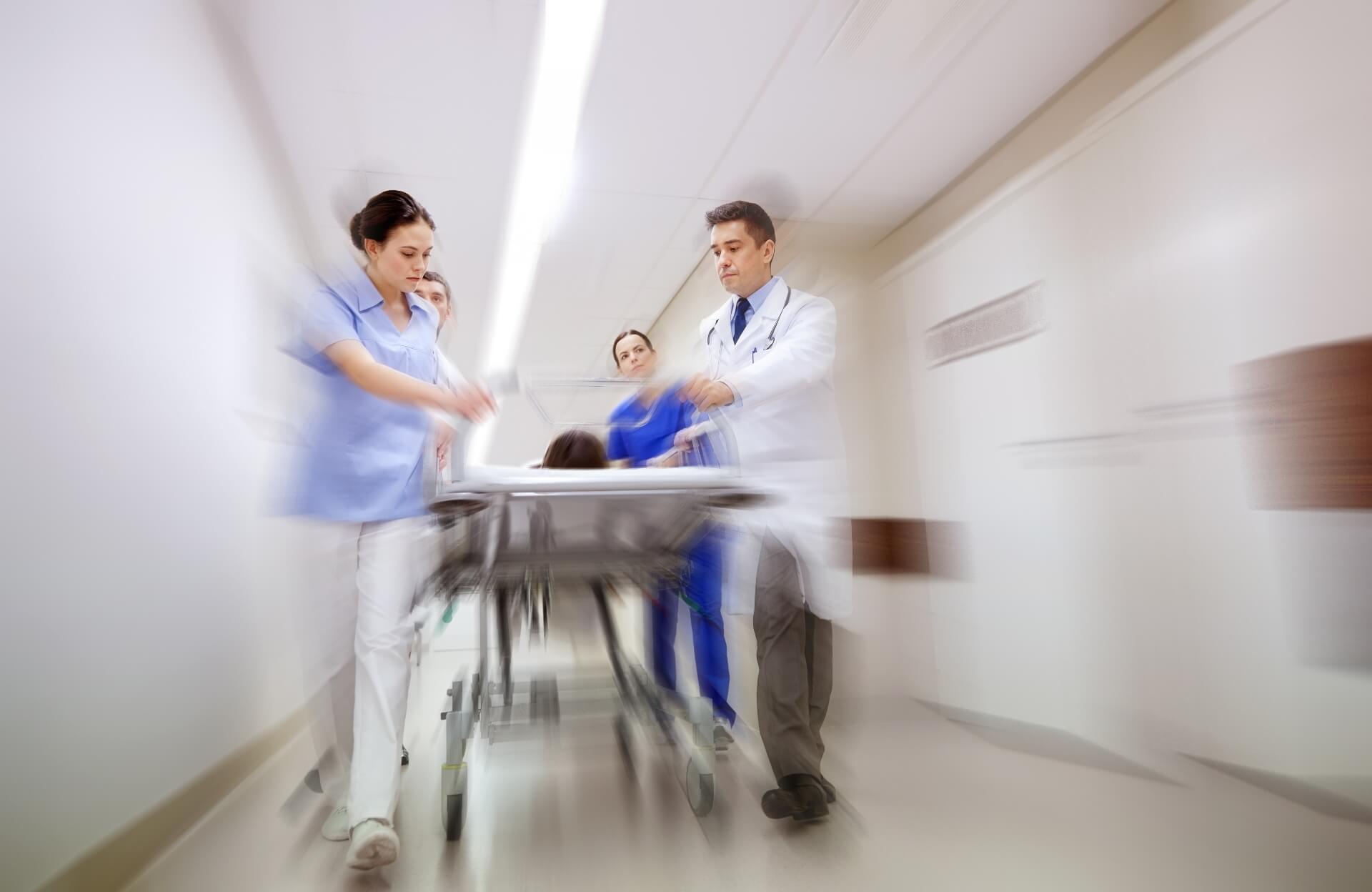
Why Emergency Medicine Is Essential for Public Safety
Emergency medicine is more than just a critical care service; it’s a cornerstone of public safety. Discover why this vital field is essential for our communities and gain valuable healthcare insights.
The Frontline of Healthcare: Understanding Emergency Medicine
Emergency medicine serves as the crucial first point of contact for individuals experiencing acute illnesses or injuries. It encompasses a broad spectrum of medical conditions, from life-threatening emergencies like heart attacks and strokes to less severe but still urgent situations requiring prompt attention. The expertise of emergency physicians and their teams is vital in stabilizing patients, diagnosing conditions rapidly, and initiating appropriate treatment plans. This immediate intervention often makes the difference between life and death, or between a full recovery and long-term disability.
Emergency Medicine’s Role in Community Health and Preparedness
Beyond individual patient care, emergency medicine plays a pivotal role in maintaining the overall health and safety of a community. Emergency departments act as a vital safety net, providing accessible care regardless of a patient’s socioeconomic status or insurance coverage. They are also at the forefront of responding to mass casualty incidents, natural disasters, and public health emergencies, such as pandemics. The preparedness and swift response of emergency medical services are critical for mitigating the impact of such events. This includes coordinated efforts with other first responders, public health agencies, and hospital systems to ensure a cohesive and effective response.
Key Contributions to Public Safety
- Rapid assessment and treatment of acute conditions.
- Stabilization of critically ill or injured patients.
- Diagnosis and management of a wide range of medical emergencies.
- Serving as a crucial link in the continuum of care.
- Responding effectively to mass casualty events and disasters.
Advancing Medical Awareness and Healthcare Insights
The field of emergency medicine is constantly evolving, driven by research, technological advancements, and a commitment to improving patient outcomes. Continuous education and training are paramount for emergency medical professionals to stay abreast of the latest diagnostic tools, treatment protocols, and best practices. This dedication to learning not only benefits patients directly but also contributes to a broader understanding of public health issues. By analyzing trends in emergency department visits and the types of conditions treated, healthcare systems can identify emerging health concerns and allocate resources more effectively. Furthermore, public awareness campaigns initiated or supported by emergency medicine professionals can educate communities on preventive measures, recognizing warning signs of serious conditions, and knowing when and how to seek emergency care.
The Interconnectedness of Emergency Care and Public Well-being
The importance of robust emergency medicine services cannot be overstated when considering public safety. A well-functioning emergency medical system ensures that individuals can receive timely and life-saving care when they need it most. This contributes to a healthier, more resilient population and enhances the overall sense of security within a community. Investing in emergency medicine infrastructure, training, and technology is an investment in the well-being of every citizen. It ensures that our communities are prepared to face medical challenges, both common and extraordinary, thereby safeguarding public health and safety.
In conclusion, emergency medicine is far more than just an urgent care service; it is an indispensable component of public safety. Its ability to provide immediate, critical care, its role in community preparedness, and its contribution to medical awareness collectively underscore its essential nature for the well-being of society.
Share your thoughts on the importance of emergency medicine in the comments below!