
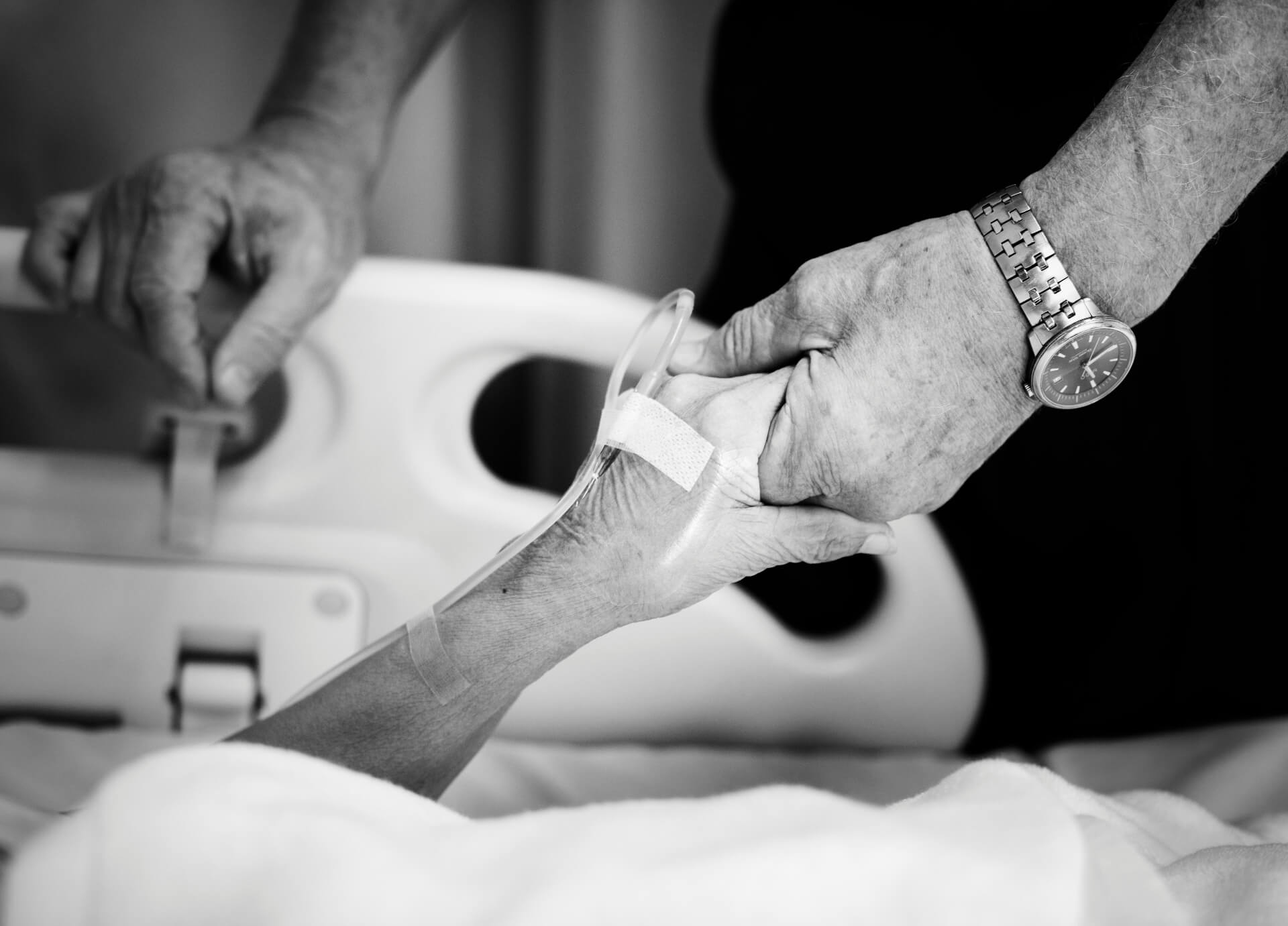
What Families Should Know During Emergency Hospital Visits
Experiencing a medical emergency and facing an unexpected hospital visit can be incredibly stressful for any family. Understanding the process, knowing what to expect, and how to best support your loved ones can make a significant difference during these challenging times. This guide aims to equip families with the essential information needed to navigate emergency hospital admissions, covering critical aspects of medical care, health awareness, and the crucial role of family support.
Understanding the Emergency Department
The emergency department (ED) is designed to handle life-threatening conditions and acute illnesses. Upon arrival, the first step is usually registration, followed by triage. Triage is a critical process where a nurse assesses the severity of each patient’s condition to determine the order of treatment. Patients with the most critical needs are seen first, which means those with less severe conditions may experience longer wait times. It’s important to remember that while waiting, your condition is continuously being monitored.
Key Aspects of ED Operations
- Triage System: Understanding that urgency dictates the order of care.
- Patient Confidentiality: Knowing that medical information is protected.
- Communication: Encouraging open communication with healthcare providers about concerns.
Preparing for an Emergency Hospital Visit
While emergencies are unpredictable, having a basic preparedness plan can ease the burden. This includes keeping essential personal information readily accessible, such as a list of current medications, known allergies, and primary care physician details. For families, having a designated point person who can communicate with the medical team can streamline information flow and reduce confusion.
What to Bring (If Possible)
- Patient’s identification and insurance information.
- A list of current medications, including dosages and frequency.
- Known allergies to medications or other substances.
- Contact information for the patient’s primary care physician and any specialists.
- Comfort items if space and regulations allow (e.g., glasses, hearing aids, a favorite blanket).
Navigating Medical Support and Communication
Once admitted, the focus shifts to receiving the best possible medical support. This involves understanding the diagnostic process, treatment options, and the roles of different healthcare professionals. Effective communication is paramount. Don’t hesitate to ask questions about diagnoses, treatment plans, potential side effects, and expected outcomes. If something is unclear, ask for clarification. It’s often helpful to have a family member present to listen, take notes, and ask questions on behalf of the patient, especially if the patient is in distress or unable to communicate effectively.
Tips for Effective Communication
- Write down your questions before speaking with a doctor or nurse.
- Take notes during conversations to help remember important details.
- Ask for explanations in simple terms if medical jargon is confusing.
- Designate one family member to be the main point of contact to avoid overwhelming the medical staff with multiple inquiries.
Health Awareness and Patient Advocacy
Empowering families with health awareness is crucial for effective patient advocacy. Understanding your loved one’s condition and treatment plan allows you to be a more informed advocate. This means actively participating in care decisions, ensuring patient preferences are considered, and raising concerns if something seems amiss. Hospitals often have patient advocates or liaison officers who can assist in resolving issues and ensuring the patient’s rights are respected.
Supporting Loved Ones During Their Stay
Beyond medical care, emotional and psychological support is vital. While visiting hours may be limited, the presence of family can be incredibly comforting. Even if physical presence isn’t always possible, phone calls, video chats, and keeping in touch can significantly boost a patient’s morale. Understanding the patient’s emotional state and providing reassurance can aid in their recovery process. Educate yourselves about the condition being treated to better understand the patient’s experience and offer relevant support.
Discharge and Post-Hospital Care
The discharge process involves a review of the patient’s condition, instructions for medication, follow-up appointments, and any necessary lifestyle or dietary changes. It’s essential to have clear instructions from the healthcare team. Don’t leave the hospital without understanding these details. Ask about warning signs to watch for that would necessitate a return to the hospital or a call to the doctor. Proper follow-up care is critical for a full recovery and preventing readmission.
Key Discharge Considerations
- Understanding all prescribed medications and their schedules.
- Knowing when and how to schedule follow-up appointments.
- Identifying potential warning signs and when to seek further medical attention.
- Arranging for necessary home care or support services if needed.
Facing an emergency hospital visit is an experience that can test anyone’s resilience. By being informed, prepared, and actively involved in the care process, families can become invaluable allies in their loved one’s journey toward recovery. Prioritizing clear communication, understanding medical support systems, and advocating for the patient’s needs are fundamental steps in ensuring the best possible outcomes during these critical times.
We hope this guide provides you with the confidence and knowledge to navigate emergency hospital visits more effectively. If you have further questions or experiences to share, please feel free to comment below or explore our other resources on health awareness and emergency preparedness.