
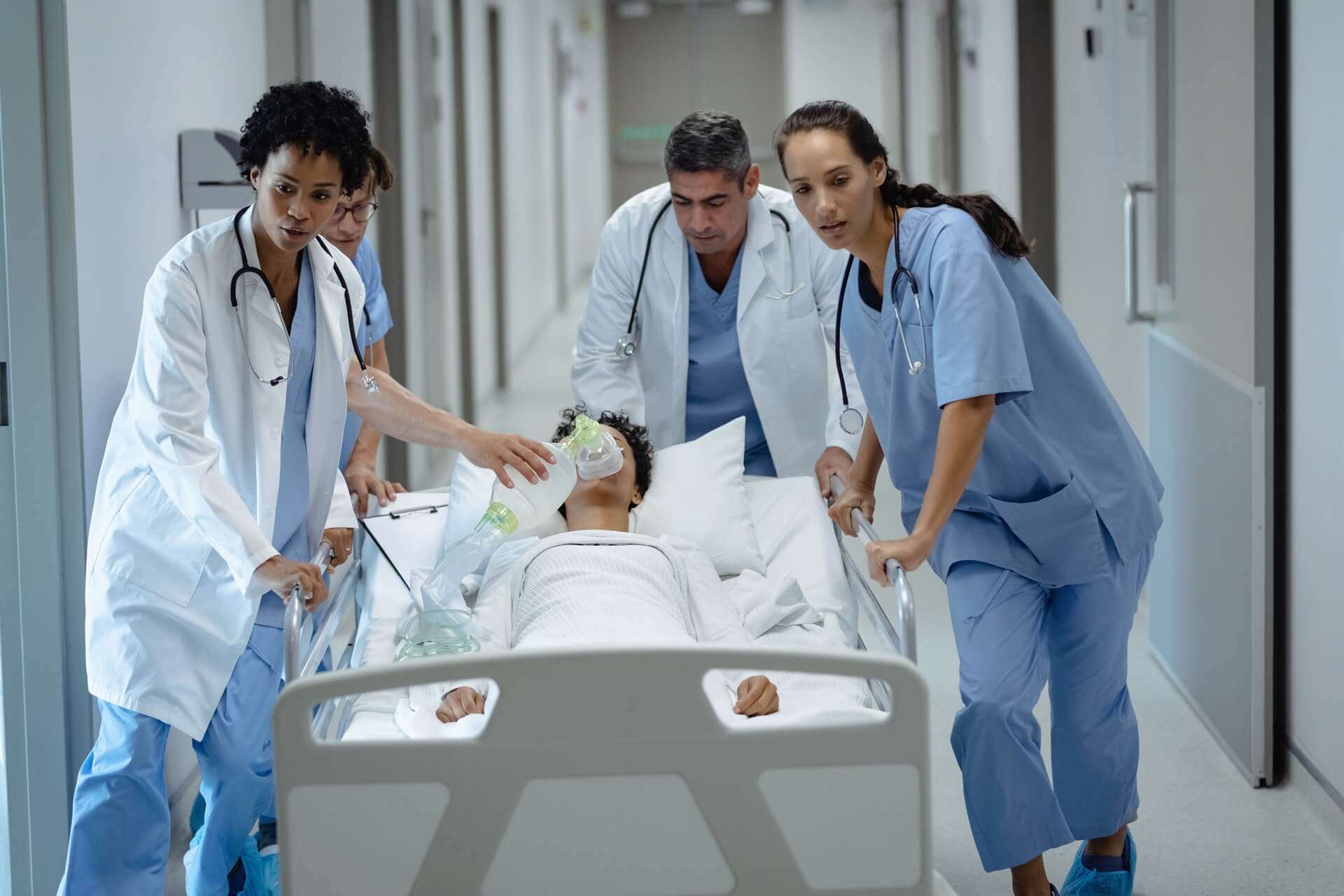
Top Emergency Care Procedures That Save Lives
Discover vital information on emergency care and medical support to enhance your health awareness. Learn about top life-saving emergency procedures and how timely intervention can make a critical difference.
Understanding the Crucial Role of Emergency Medical Support
Emergency care is the cornerstone of a responsive healthcare system, providing immediate medical attention to individuals experiencing acute illness or injury. This critical branch of medicine focuses on stabilization, diagnosis, and initial treatment to prevent further harm and improve patient outcomes. Effective emergency medical support relies on rapid assessment, advanced medical interventions, and seamless coordination between pre-hospital services and hospital-based emergency departments. The goal is always to act swiftly and decisively, recognizing that every second counts in critical situations.
Key Components of Effective Emergency Care
High-quality emergency care encompasses several vital components:
- Rapid Triage: Quickly assessing patients to prioritize those with the most life-threatening conditions.
- Advanced Life Support: Implementing immediate interventions such as CPR, airway management, and medication administration.
- Diagnostic Capabilities: Utilizing on-site tools for rapid diagnosis, including imaging and laboratory tests.
- Stabilization and Transport: Ensuring patients are stabilized before safe transport to appropriate medical facilities.
- Communication and Coordination: Maintaining clear communication among emergency responders, transport teams, and receiving medical staff.
Life-Saving Emergency Procedures Explained
Several emergency procedures stand out for their ability to dramatically improve survival rates and reduce long-term disability. These interventions are often performed under immense pressure and require skilled professionals and specialized equipment.
Cardiopulmonary Resuscitation (CPR)
CPR is a fundamental emergency procedure used when a person’s breathing or heartbeat has stopped. It involves chest compressions and artificial respiration to manually circulate blood and oxygen throughout the body. Early initiation of CPR by bystanders, followed by advanced cardiac life support (ACLS) from medical professionals, significantly increases the chances of survival from cardiac arrest.
Advanced Airway Management
Maintaining an open airway is paramount for patients who are unable to breathe independently. Procedures like endotracheal intubation involve inserting a tube into the trachea to ensure a clear passage for air, allowing for mechanical ventilation. This is crucial for patients suffering from severe respiratory distress, trauma, or loss of consciousness.
Hemorrhage Control
Severe bleeding, or hemorrhage, can lead to rapid shock and death. Emergency medical services employ various techniques to control bleeding, including direct pressure, tourniquets for severe limb injuries, and the administration of hemostatic agents. Prompt and effective hemorrhage control is critical in trauma cases.
Trauma Stabilization and Management
Accidents and injuries can cause significant damage to the body. Emergency teams are trained to quickly assess and stabilize trauma patients, immobilizing the spine to prevent further damage, managing fractures, and addressing internal injuries. This includes rapid transport to trauma centers equipped to handle complex injuries.
Boosting Health Awareness for Better Preparedness
Beyond immediate medical interventions, promoting health awareness plays a crucial role in emergency preparedness. Educating the public about recognizing emergency signs, knowing when to seek help, and understanding basic first aid can empower individuals to act effectively in critical moments. This proactive approach not only saves lives but also reduces the burden on emergency services.
Recognizing Emergency Symptoms
Familiarizing yourself with common emergency symptoms is vital. These can include sudden severe chest pain, difficulty breathing, loss of consciousness, severe bleeding, and signs of stroke such as sudden numbness or weakness, confusion, or trouble speaking.
The Importance of First Aid Training
Basic first aid and CPR training equip individuals with the knowledge and skills to provide immediate assistance before professional medical help arrives. This can include wound dressing, basic life support, and recognizing signs of serious medical conditions. Such training empowers communities to be more resilient in emergencies.
Conclusion: The Synergy of Emergency Care and Health Awareness
Emergency care and health awareness are inextricably linked, forming a vital partnership in safeguarding public health. Advanced emergency procedures, performed by skilled professionals, provide a critical safety net for those facing life-threatening situations. Simultaneously, fostering widespread health awareness and preparedness empowers individuals and communities to respond effectively, bridging the gap between the onset of an emergency and the arrival of professional medical support. By understanding these procedures and prioritizing health education, we can collectively enhance our ability to save lives and promote well-being.
Stay informed and prepared. For critical medical support and health awareness information, trust resources like medflightindiana.org.