
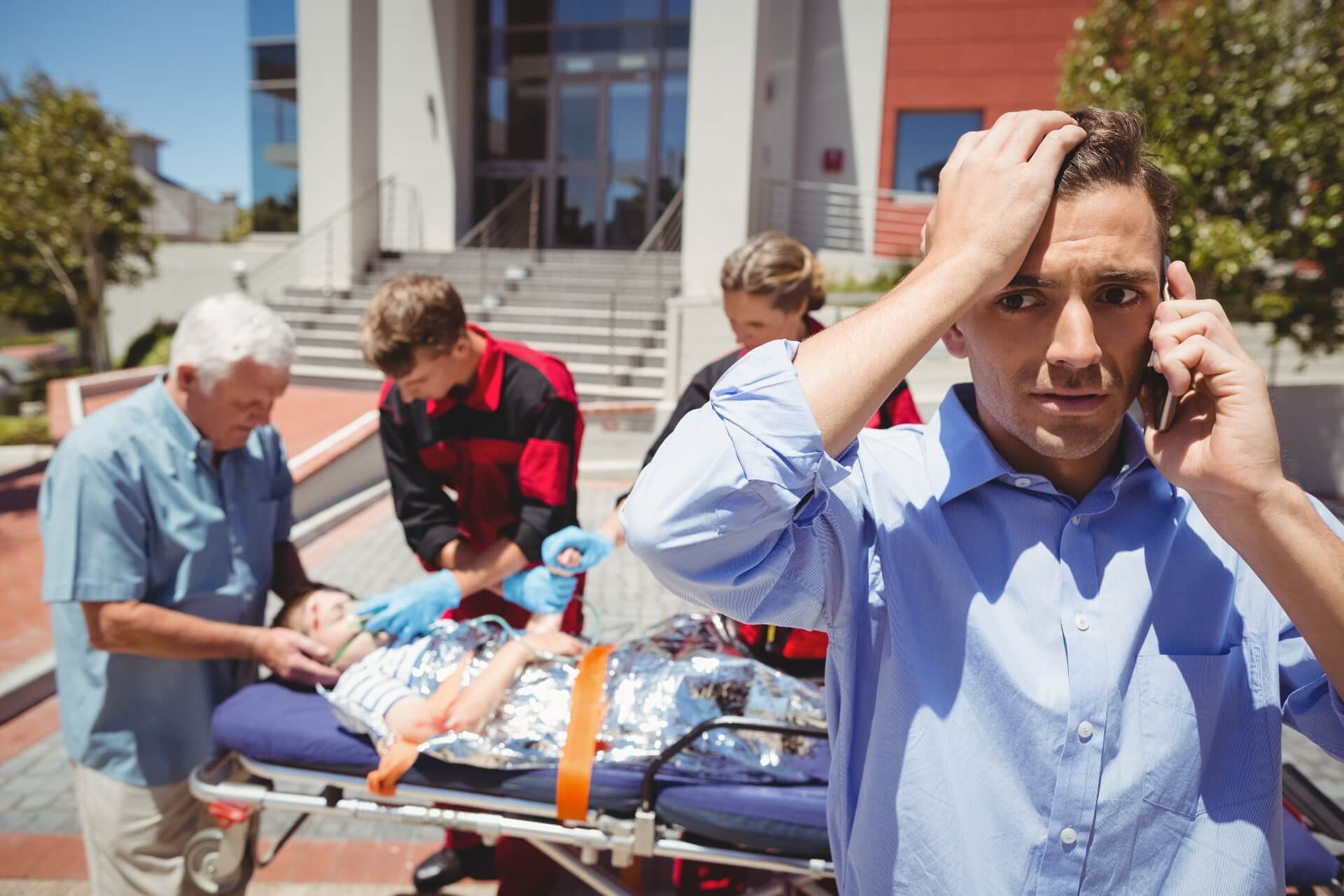
The Role of Emergency Medicine During Public Health Crises
When public health crises strike, emergency medicine stands as the first and most critical line of defense. Explore how these dedicated professionals navigate unprecedented challenges, offering vital care and insights that shape our collective health and safety.
Understanding the Criticality of Emergency Medicine in Public Health Crises
Public health crises, ranging from pandemics and natural disasters to mass casualty incidents, place an immense strain on healthcare systems. In these tumultuous times, the role of emergency medicine becomes not just important, but absolutely paramount. Emergency departments (EDs) serve as the immediate point of contact for individuals experiencing acute illness or injury, regardless of the underlying cause. This makes them the frontline responders, tasked with stabilizing patients, initiating life-saving interventions, and making critical triage decisions under immense pressure. The ability of emergency medicine professionals to rapidly assess, diagnose, and treat a wide spectrum of conditions, often with limited information and resources, is what makes them indispensable during widespread health emergencies.
Key Responsibilities and Challenges Faced by Emergency Medicine Professionals
Emergency medicine teams are trained to handle a diverse array of situations. During public health crises, their responsibilities expand significantly, often involving:
- Rapid Triage and Patient Management: Efficiently sorting patients based on the severity of their condition is crucial to ensure those most in need receive timely care. This becomes exponentially more complex during a surge in patient volume.
- Providing Acute and Life-Saving Care: Stabilizing critically ill patients, managing respiratory distress, treating trauma, and administering essential medications are core functions that are amplified during crises.
- Infection Control and Prevention: EDs must implement stringent protocols to prevent the spread of infectious agents among patients and healthcare workers, a challenge that intensifies with novel pathogens.
- Public Health Surveillance and Reporting: EDs often act as early warning systems for emerging health threats, identifying unusual patterns of illness and reporting them to public health authorities.
- Adaptability and Resource Management: Emergency medicine must be highly adaptable, often requiring the rapid reallocation of staff, equipment, and space to meet evolving demands.
- Mental Health Support: In addition to physical ailments, healthcare professionals in the ED often provide crucial initial emotional and psychological support to patients and their families facing overwhelming circumstances.
The challenges are multifaceted, including overwhelming patient numbers, potential shortages of personal protective equipment (PPE) and critical supplies, the risk of infection for staff, and the emotional toll of witnessing widespread suffering and loss. Effective leadership, clear communication, and robust support systems are vital for maintaining operational effectiveness and staff well-being.
The Impact of Emergency Medicine on Healthcare Insights and Medical Awareness
The experiences of emergency medicine professionals during public health crises provide invaluable insights that contribute to broader medical awareness and preparedness. By observing the initial presentation of diseases, the efficacy of treatments, and the societal impact of health emergencies, these frontline clinicians generate crucial data. This data informs public health strategies, guides research efforts, and helps shape national and international guidelines for managing future crises. Furthermore, their firsthand accounts and experiences raise public awareness about the importance of emergency preparedness, preventative health measures, and the critical role of accessible healthcare services. This heightened awareness can lead to better community engagement in public health initiatives and a greater appreciation for the resilience of the healthcare system.
Strategies for Enhancing Emergency Medicine’s Role in Future Crises
To further bolster the capacity of emergency medicine to respond effectively to future public health crises, several strategies are essential:
- Investment in Infrastructure and Technology: Modernizing ED facilities, investing in advanced diagnostic tools, and leveraging telehealth capabilities can enhance response capacity.
- Robust Training and Simulation Exercises: Regular training and simulated crisis scenarios are vital for ensuring that healthcare teams are well-prepared to handle high-stress situations and coordinate effectively.
- Strengthening Public Health Partnerships: Close collaboration between EDs and public health agencies is crucial for seamless information sharing, coordinated response efforts, and efficient resource allocation.
- Prioritizing Healthcare Worker Well-being: Implementing comprehensive mental health support programs and ensuring adequate staffing and resources are paramount to prevent burnout and maintain workforce resilience.
- Developing Flexible Staffing Models: Creating adaptable staffing plans that can quickly scale up during emergencies is essential for meeting surge demands.
By focusing on these areas, the emergency medicine sector can be better equipped to serve as the steadfast bulwark against the unpredictable tide of public health crises, safeguarding communities and promoting overall health and safety.
Conclusion: Emergency Medicine as a Cornerstone of Public Health Resilience
In conclusion, emergency medicine serves as an indispensable pillar of public health resilience. Its professionals are not only critical for immediate life-saving interventions during crises but also for providing crucial insights that inform broader healthcare strategies and enhance public awareness. The dedication, adaptability, and expertise demonstrated by emergency medicine teams are vital for navigating the complexities of public health emergencies and ensuring the safety and well-being of communities worldwide.
Share your thoughts on the role of emergency medicine in the comments below!