
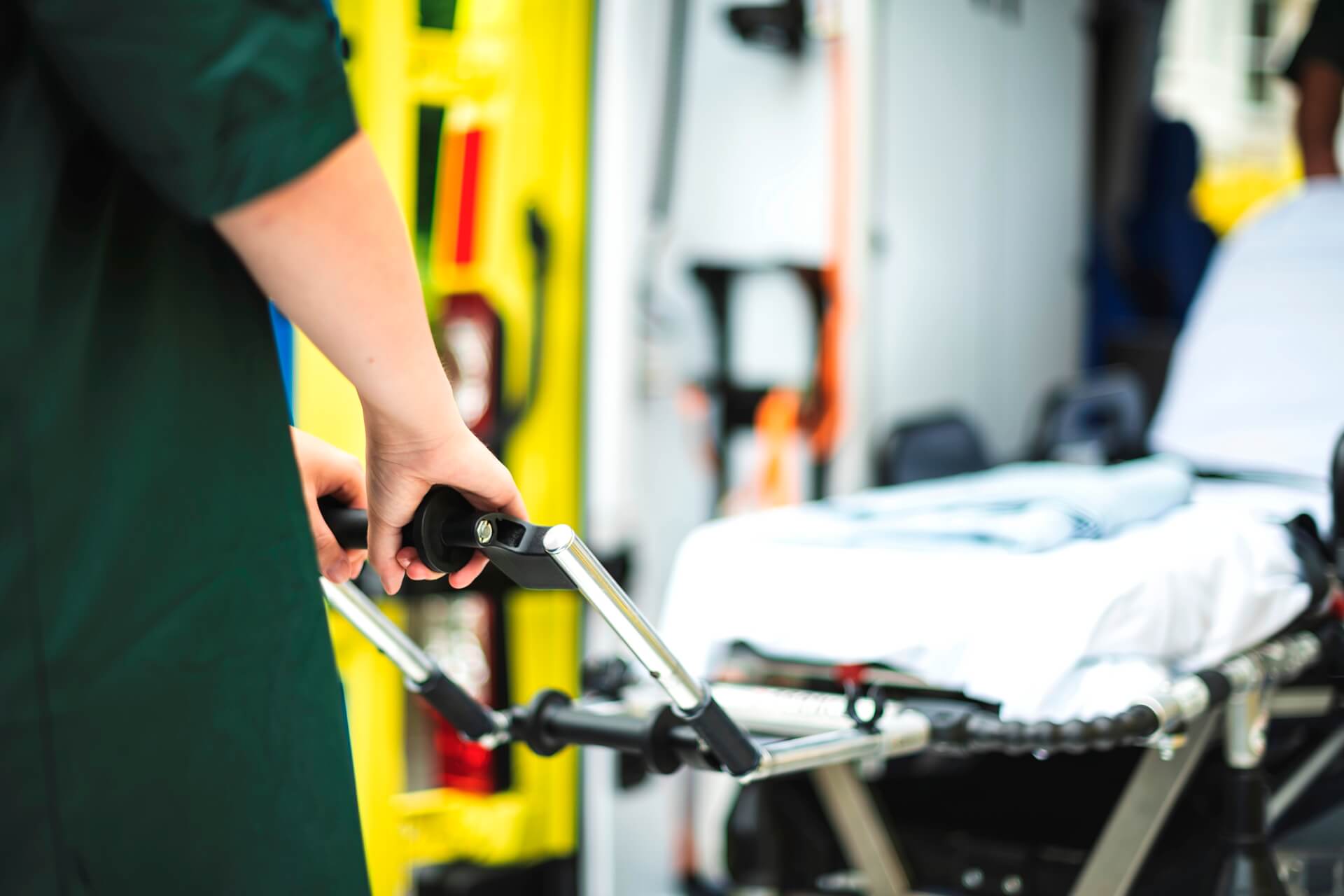
The Evolution of Emergency Medical Services in America
Embark on a journey through the critical advancements and transformations within emergency medical services (EMS). This article explores the profound evolution of pre-hospital care, highlighting key milestones in emergency response and the integration of groundbreaking medical technology. Discover how EMS has transformed to provide indispensable medical support and promote vital health awareness, ultimately shaping the landscape of emergency care across America.
From Volunteer Rescuers to Professionalized Systems: The Early Days of EMS
The origins of modern emergency medical services in America can be traced back to rudimentary volunteer efforts and funeral homes providing basic transport. Early responses were often uncoordinated, relying on the goodwill of individuals and limited resources. The focus was primarily on transporting patients to hospitals rather than providing advanced medical interventions at the scene. This era laid the groundwork, but the true professionalization of EMS was a long and arduous process.
The Impact of World Wars and Technological Leaps
Significant advancements in battlefield medicine during World War I and II, particularly in trauma care and rapid evacuation techniques, began to influence civilian EMS. Concepts like triage and the use of specialized vehicles started to emerge. The development of communication technologies and early forms of mobile medical equipment also played a crucial role in shaping the future of emergency response.
The White Paper and the Dawn of Modern EMS
A pivotal moment in EMS history was the 1966 publication of “Accidental Death and Disability: The Neglected Disease of Modern Society,” often referred to as the “White Paper.” This landmark report by the National Academy of Sciences highlighted the alarming mortality and morbidity rates associated with trauma and the severe deficiencies in pre-hospital care. It served as a powerful catalyst, advocating for standardized training, improved equipment, and more organized emergency medical systems.
Key Recommendations and Their Implementation
- Standardized training for ambulance personnel.
- Development of mobile coronary care units.
- Improved communication systems between ambulances and hospitals.
- The establishment of regional EMS systems.
- Increased federal funding and support for EMS development.
These recommendations spurred significant changes, leading to the development of formal training programs and the introduction of more advanced medical interventions in the field.
Technological Advancements Transforming Pre-Hospital Care
The evolution of EMS is inextricably linked with technological progress. From basic oxygen masks to sophisticated defibrillators and advanced cardiac life support (ACLS) protocols, medical technology has revolutionized the capabilities of emergency medical technicians (EMTs) and paramedics. The advent of portable defibrillators, advanced airway management tools, and real-time communication with hospital physicians has drastically improved patient outcomes.
The Role of Telemedicine and Data Analytics
In recent years, telemedicine has begun to play a more prominent role, allowing remote medical professionals to guide field treatment. Furthermore, the collection and analysis of EMS data are providing invaluable insights into trends, response times, and the effectiveness of different interventions, driving continuous improvement in the quality of care and contributing to broader health awareness initiatives.
Challenges and the Future of Emergency Medical Services
Despite significant advancements, EMS systems continue to face challenges, including funding disparities, staffing shortages, and the increasing complexity of medical needs within communities. The future of EMS will likely involve further integration with public health initiatives, greater emphasis on preventative care, and the continued adoption of innovative technologies to enhance efficiency and effectiveness. The focus remains on providing rapid, high-quality medical support to save lives and improve overall community health awareness.
In conclusion, the journey of emergency medical services in America is a testament to continuous innovation and dedication. From its humble beginnings to its current sophisticated state, EMS has evolved into a critical component of the nation’s healthcare infrastructure, ensuring vital medical support is available when it’s needed most.
Share your thoughts on the future of EMS in the comments below! Learn more about emergency response and health awareness by exploring our other articles.