
How Emergency Doctors Handle Life-Threatening Cases
Discover how emergency doctors tackle critical situations and the vital role of immediate medical support in saving lives. This article provides essential insights into life-threatening cases and promotes health awareness.
The High-Stakes Environment of the Emergency Department
The emergency department (ED) is a dynamic and often chaotic environment where every second counts. Emergency doctors are trained to operate under immense pressure, making rapid, life-altering decisions with limited information. Their primary goal is to stabilize patients, diagnose their conditions quickly, and initiate appropriate treatment to prevent further deterioration. This involves a systematic approach, often starting with a rapid assessment of the patient’s airway, breathing, and circulation (ABCs).
Initial Assessment and Triage
Upon arrival, patients are triaged based on the severity of their condition. Those with life-threatening injuries or illnesses receive immediate attention. Emergency doctors rely on a combination of clinical observation, patient history (if available), and rapid diagnostic tools to understand the situation. This initial phase is critical for prioritizing care and ensuring that the most critically ill patients are treated first.
Recognizing and Responding to Life-Threatening Conditions
Life-threatening cases encompass a broad spectrum of medical emergencies, including severe trauma, cardiac arrest, stroke, sepsis, anaphylaxis, and major bleeding. Emergency doctors must possess a deep understanding of the pathophysiology of these conditions and be proficient in a wide range of procedures and interventions.
Cardiovascular Emergencies
For conditions like heart attacks or cardiac arrests, immediate recognition and intervention are paramount. This includes administering CPR, defibrillation, and specific medications to restore normal heart function and blood flow. Stroke management also requires rapid diagnosis (often with CT scans) and timely administration of thrombolytic therapy to dissolve blood clots and minimize brain damage.
Trauma Management
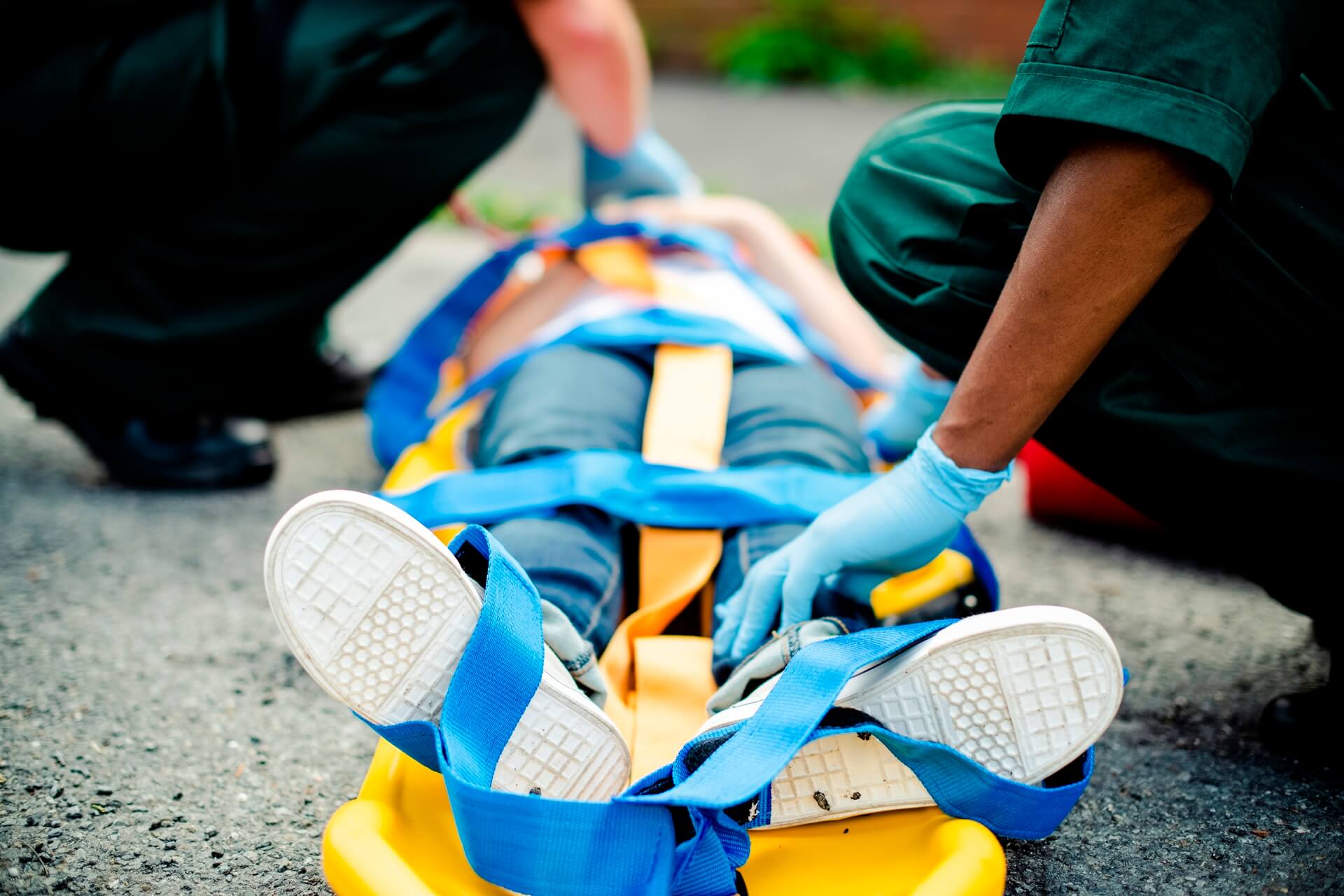
In cases of severe trauma, such as from car accidents or falls, the focus is on controlling external and internal bleeding, managing fractures, and addressing potential head or spinal cord injuries. Advanced trauma life support (ATLS) protocols guide the systematic evaluation and management of trauma patients, ensuring that all potential life-threatening injuries are identified and treated.
The Importance of Medical Support and Technology
Modern emergency care relies heavily on advanced medical support systems and technology. From sophisticated monitoring equipment that tracks vital signs in real-time to advanced imaging techniques and life support machines, these tools are indispensable in managing critically ill patients.
Diagnostic Tools in Emergency Care
Emergency departments are equipped with rapid diagnostic tools. Point-of-care ultrasound allows for quick assessment of internal injuries or fluid status. Laboratory tests can be processed quickly to identify infections, electrolyte imbalances, or organ dysfunction. Imaging, including X-rays, CT scans, and MRIs, plays a crucial role in diagnosing fractures, internal bleeding, and neurological emergencies.
Life Support Technologies
When patients are unable to breathe on their own, mechanical ventilators are used to support respiration. Intravenous lines are essential for administering fluids and medications rapidly. In cases of severe shock or organ failure, advanced interventions like blood transfusions or dialysis may be required. For cardiac arrest, external defibrillators and advanced cardiac life support algorithms are standard.
Promoting Health Awareness and Prevention
While emergency doctors are skilled in managing acute crises, promoting health awareness and prevention is equally important in reducing the incidence of life-threatening cases. Educating the public about recognizing early warning signs of serious conditions, practicing safety measures, and knowing when to seek immediate medical help can significantly improve outcomes.
Recognizing Warning Signs
Understanding the warning signs of a heart attack (chest pain, shortness of breath, radiating pain), stroke (FAST – Face drooping, Arm weakness, Speech difficulty, Time to call 911), and other critical conditions empowers individuals to act quickly. Timely medical intervention is often the difference between life and death.
Preventive Measures
Encouraging healthy lifestyles, including regular exercise, a balanced diet, and avoiding smoking, can significantly reduce the risk of cardiovascular diseases and other chronic conditions that can lead to emergencies. Safety measures, such as wearing seatbelts and helmets, are vital in preventing traumatic injuries.
Conclusion: The Indispensable Role of Emergency Medicine
Emergency doctors are on the front lines of medical care, facing some of the most challenging and critical situations imaginable. Their expertise, rapid decision-making capabilities, and access to advanced medical support are crucial in saving lives and mitigating the impact of life-threatening cases. By understanding the processes involved in emergency care and promoting health awareness, we can all contribute to better health outcomes and be better prepared for medical emergencies.
Share your thoughts on the importance of emergency medical services in the comments below!