
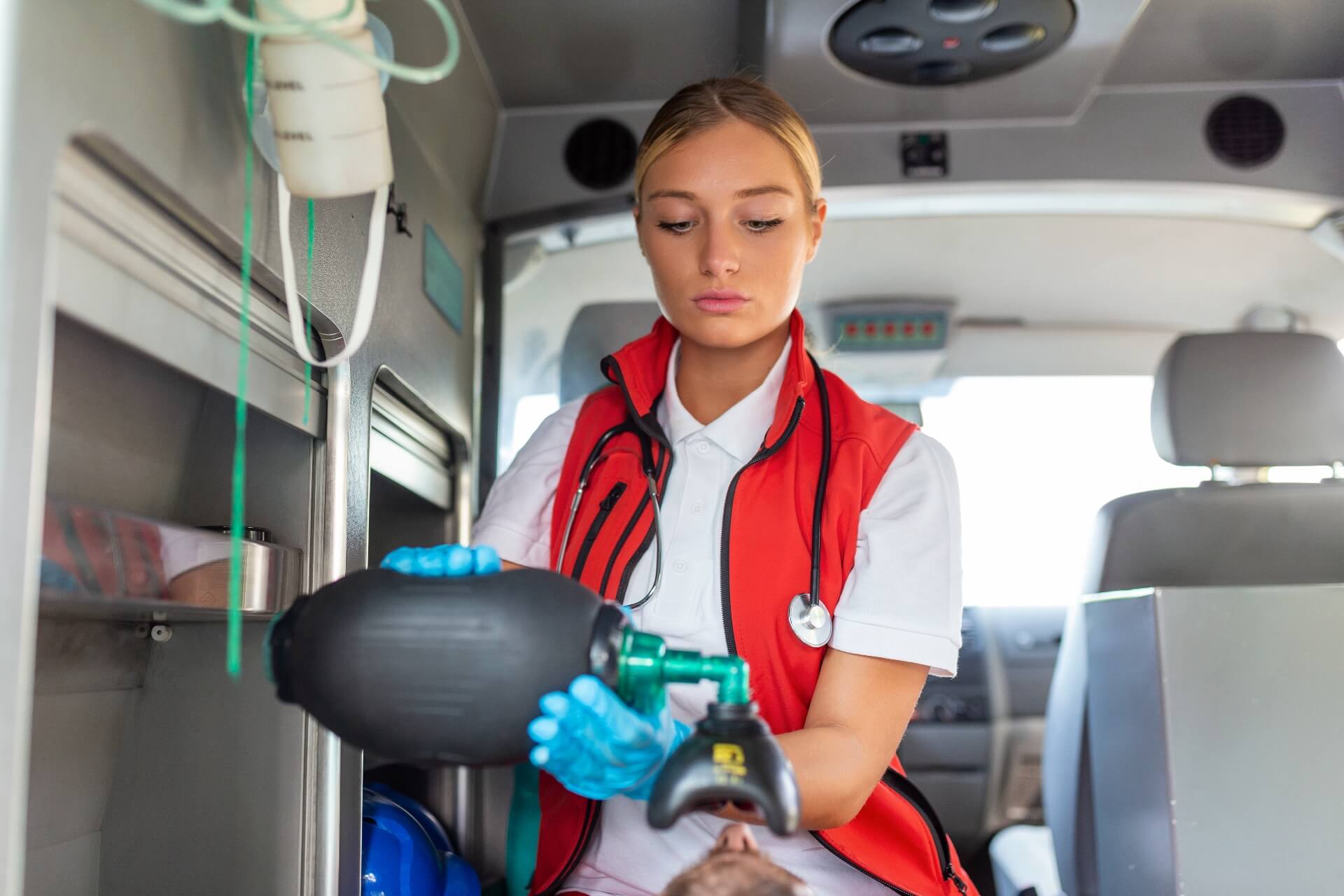
How Emergency Care Technology Is Changing Lives
The world of emergency care is constantly evolving, driven by groundbreaking technology. Discover how these advancements are not just changing lives but saving them, offering faster, more effective medical support and vital health awareness information when it matters most. In critical moments, the speed and precision of medical intervention can be the difference between life and death, and technology is at the forefront of this vital mission.
The Evolution of Emergency Medical Support
Emergency care has come a long way from basic first aid. Today, it encompasses a sophisticated network of services, from rapid response teams to advanced hospital facilities. The integration of new technologies has revolutionized every aspect of this field. This includes enhanced communication systems, sophisticated diagnostic tools, and innovative treatment modalities that were unimaginable just a few decades ago. The goal remains the same: to provide the highest quality medical support as quickly and efficiently as possible.
Advanced Communication and Data Transmission
One of the most significant technological leaps in emergency care is in communication. Advanced communication systems allow paramedics to transmit vital patient data, including real-time vital signs and even images, directly from the ambulance to the receiving hospital. This enables medical teams to prepare for the patient’s arrival, assess the situation more accurately, and initiate treatment protocols even before the patient reaches the facility. This seamless data flow is crucial for improving patient outcomes.
Cutting-Edge Diagnostic and Monitoring Tools
The ability to quickly and accurately diagnose a patient’s condition is paramount in emergency care. Technology has provided us with increasingly sophisticated tools for this purpose. From portable ultrasound devices that can be used at the scene of an incident to advanced cardiac monitors and ventilators that can be deployed in the field, these innovations empower medical professionals to make informed decisions rapidly. Continuous monitoring of vital signs provides a clear picture of the patient’s status, allowing for timely adjustments to treatment.
Point-of-Care Diagnostics
Point-of-care (POC) diagnostic devices are a game-changer in emergency medicine. These compact, often handheld, devices allow for rapid testing of blood, urine, and other samples directly at the patient’s side. This eliminates the time delay associated with sending samples to a central laboratory, providing critical diagnostic information within minutes. This is particularly important for conditions like heart attacks, strokes, and sepsis, where time is of the essence.
Innovative Treatment Modalities
Beyond diagnosis, technology is also transforming the way emergency conditions are treated. This includes advancements in resuscitation techniques, minimally invasive surgical procedures that can be performed in emergency settings, and the development of new pharmaceuticals and medical devices designed for rapid intervention. Telemedicine is also playing an increasingly important role, allowing remote specialists to guide on-site medical teams through complex procedures.
Robotics and AI in Emergency Medicine
The future of emergency care is increasingly influenced by robotics and artificial intelligence (AI). AI algorithms are being developed to assist in diagnosing conditions from medical images and predicting patient deterioration. Robotic-assisted surgery offers greater precision and less invasive options. While still in their early stages of widespread adoption in emergency settings, these technologies hold immense potential for improving the speed and effectiveness of care.
The Role of Health Awareness Information
Emergency care technology doesn’t just focus on acute interventions; it also plays a vital role in health awareness. By analyzing data from emergency incidents and patient outcomes, healthcare providers can identify trends and potential public health issues. This information can then be used to develop targeted health awareness campaigns, preventative measures, and educational resources. Technologies like mobile health apps and online portals facilitate the dissemination of this crucial information, empowering individuals to take proactive steps towards their health.
Preventative Technologies and Early Detection
Wearable technology and remote monitoring systems are increasingly being used for preventative care and early detection of health issues. Devices that track heart rate, activity levels, and even blood glucose can alert individuals and their healthcare providers to potential problems before they become critical emergencies. This shift towards proactive health management, enabled by technology, is a cornerstone of modern emergency care strategy.
Conclusion: A Brighter Future for Emergency Response
The rapid advancements in emergency care technology are not just incremental improvements; they represent a fundamental shift in how we respond to medical crises. From enhanced communication and diagnostics to innovative treatments and a greater focus on health awareness, these technologies are profoundly changing lives. They are enabling faster, more accurate, and more effective medical support, ultimately saving lives and improving the quality of care for countless individuals. The ongoing integration of cutting-edge innovations promises an even brighter and more resilient future for emergency medical services.
What are your thoughts on the impact of technology on emergency care? Share your experiences or questions in the comments below!