
The Challenges Emergency Medicine Professionals Face Today
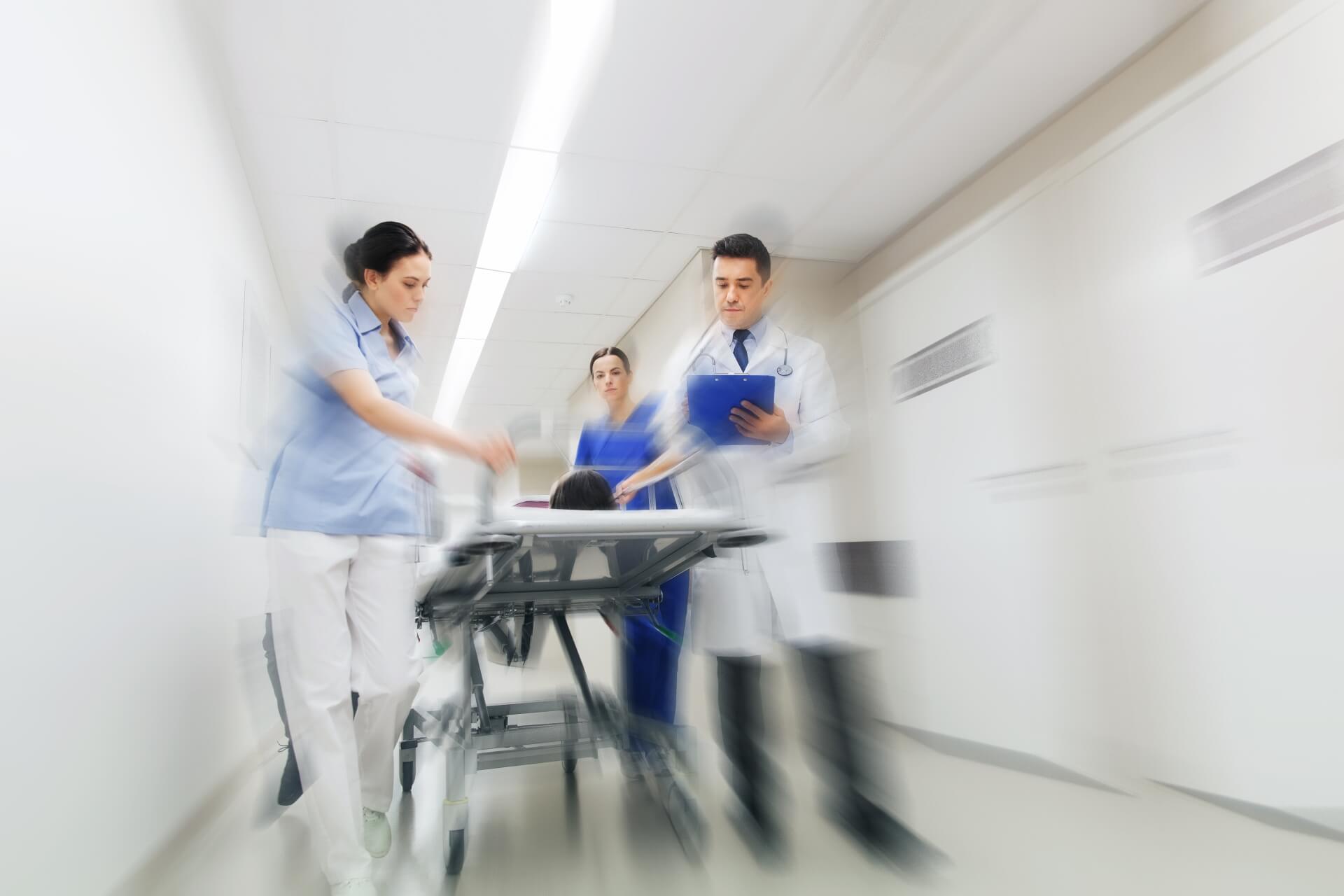
Are you curious about the demanding world of emergency medicine? Dive into the latest healthcare insights and medical awareness to understand the significant challenges faced by dedicated professionals in this vital field today. Emergency medicine, a cornerstone of any robust healthcare system, operates at the front lines of patient care, offering critical interventions during life-threatening situations. Yet, the professionals within this demanding specialty confront an ever-evolving landscape of obstacles.
The Evolving Landscape of Emergency Medicine
Emergency medicine has transformed dramatically over the decades. What once might have been considered basic stabilization has evolved into a highly specialized field requiring advanced diagnostic skills, immediate treatment protocols, and sophisticated technology. The scope of practice has expanded, encompassing everything from acute trauma and cardiac arrest to complex medical conditions and mental health crises. This expansion necessitates continuous learning and adaptation for all medical professionals involved.
Adapting to New Medical Technologies and Treatments
One of the primary challenges is keeping pace with rapid advancements in medical technology and treatment protocols. New diagnostic tools, innovative surgical techniques, and emerging pharmaceutical interventions require emergency department staff to constantly update their knowledge and skills. This ongoing need for education is crucial for ensuring the highest quality of patient care and positive outcomes.
Intense Workload and Staffing Shortages
The sheer volume of patients presenting to emergency departments, coupled with persistent staffing shortages in many regions, creates an environment of intense workload. Emergency medical services are often stretched thin, leading to long wait times for patients and significant pressure on existing staff. This can contribute to burnout and affect the overall efficiency of the department.
The Impact of Burnout on Healthcare Professionals
Burnout is a significant concern within emergency medicine. The high-stress nature of the job, long hours, emotional toll of dealing with critical and often tragic cases, and the physical demands can lead to exhaustion, cynicism, and reduced personal accomplishment. Addressing burnout through supportive work environments, adequate staffing, and mental health resources is paramount for retaining experienced professionals.
Increasing Acuity and Complexity of Cases
Emergency departments are increasingly seeing patients with more complex and severe conditions. Factors contributing to this include an aging population with multiple comorbidities, increased prevalence of chronic diseases, and challenges in accessing primary and preventative care. This rise in patient acuity demands a higher level of expertise and resources from emergency medicine teams.
Navigating Complex Patient Demographics
Serving a diverse patient population presents its own set of challenges. Emergency medicine professionals must be adept at communicating effectively with individuals from various cultural backgrounds, socioeconomic statuses, and with differing levels of health literacy. Providing equitable and culturally sensitive care is a core principle that requires ongoing attention and training.
Resource Management and Financial Pressures
Healthcare systems, including emergency departments, often operate under significant financial constraints. Balancing the need for advanced equipment, adequate staffing, and comprehensive services with budgetary limitations is a constant struggle. Efficient resource management is critical to ensure that patient care is not compromised.
The Role of Technology in Optimizing Resource Allocation
Leveraging technology can play a vital role in optimizing resource allocation within emergency medicine. From advanced patient tracking systems to predictive analytics for managing patient flow, technological solutions can help streamline operations and improve efficiency. However, the implementation and maintenance of these systems also represent a significant investment and require skilled personnel.
Conclusion: Supporting Our Frontline Medical Professionals
The challenges faced by emergency medicine professionals are multifaceted and significant. From adapting to evolving medical landscapes and managing intense workloads to navigating complex patient cases and financial pressures, these dedicated individuals work tirelessly to provide critical care. Recognizing and addressing these challenges is essential for ensuring the sustainability of emergency medical services and, most importantly, for providing the best possible care to patients in their most vulnerable moments. Continuous support, adequate resources, and a focus on the well-being of these healthcare providers are crucial for the future of emergency medicine.
What are your thoughts on the future of emergency medicine? Share your insights in the comments below!