
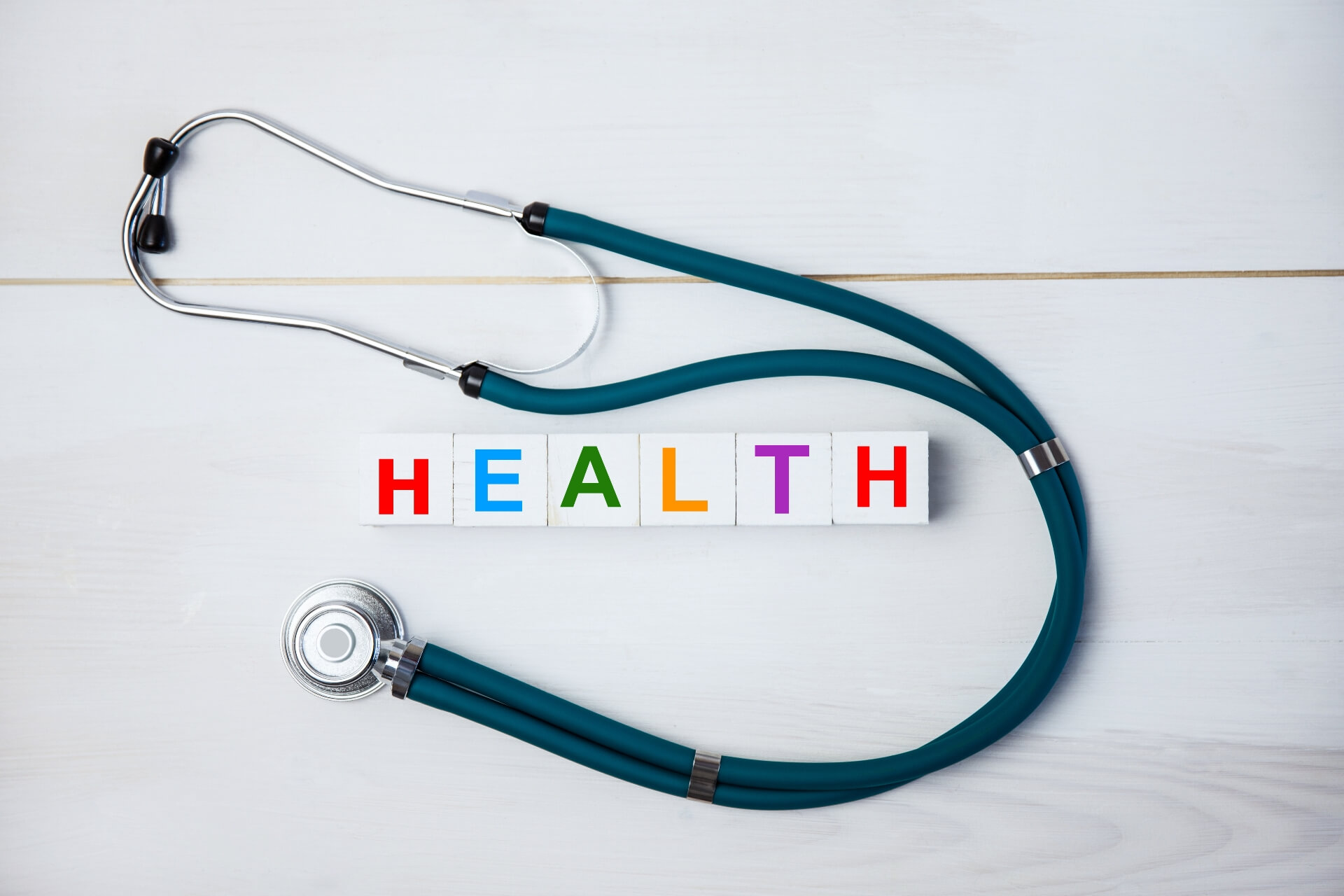
Why Community Health Education Is Essential
Discover the crucial role of community health education in fostering well-being. Learn why health awareness, accessible medical care, and robust emergency support are vital for a thriving community and how proactive education empowers individuals and strengthens our collective health resilience.
The Pillars of a Healthy Community
A healthy community is built upon several interconnected pillars, with health awareness, accessible medical care, and reliable emergency support being paramount. Health awareness is the foundational knowledge that empowers individuals to make informed decisions about their well-being. It encompasses understanding common health risks, preventive measures, and the importance of seeking timely medical attention. Accessible medical care ensures that everyone, regardless of their background or circumstances, has the opportunity to receive necessary diagnosis, treatment, and ongoing care. This includes everything from routine check-ups to specialized medical services. Finally, robust emergency support systems are critical for responding effectively to acute health crises, from accidents to widespread outbreaks, ensuring timely and life-saving interventions.
Understanding Health Awareness
Health awareness goes beyond simply knowing that diseases exist. It involves a deeper understanding of how lifestyle choices, environmental factors, and genetics can impact one’s health. Educated individuals are more likely to adopt healthy habits such as balanced nutrition, regular physical activity, and avoiding harmful substances like tobacco and excessive alcohol. They are also more attuned to early warning signs of illness, enabling them to seek medical help before conditions become severe. This proactive approach not only improves individual health outcomes but also reduces the burden on healthcare systems.
The Importance of Accessible Medical Care
Ensuring that medical care is accessible to all members of a community is a moral and practical imperative. This involves addressing various barriers, including financial constraints, geographical limitations, and cultural or linguistic differences. Affordable healthcare options, conveniently located clinics, and culturally sensitive medical professionals are all vital components of accessible care. When people can easily access medical services, they are more likely to receive preventive screenings, manage chronic conditions effectively, and obtain prompt treatment for acute illnesses, leading to a healthier population overall.
The Role of Emergency Support Systems
Emergency support systems serve as the safety net for communities facing immediate health threats. These systems encompass a range of services, from ambulance and emergency room operations to public health emergency preparedness and response. Effective emergency support requires well-trained personnel, advanced medical equipment, clear communication protocols, and strong coordination between different agencies. During critical events, such as natural disasters or public health emergencies, a well-functioning emergency support system can significantly mitigate loss of life and reduce the long-term impact on the community’s health and infrastructure.
How Community Health Education Empowers Individuals
Community health education acts as the catalyst that connects health awareness, medical care, and emergency preparedness. It provides targeted information and resources to diverse groups within a community, tailored to their specific needs and concerns. Through workshops, informational campaigns, and outreach programs, health education empowers individuals with the knowledge and skills to:
- Understand and navigate the healthcare system.
- Recognize health risks and adopt preventive behaviors.
- Effectively manage chronic diseases.
- Know how to access emergency services when needed.
- Advocate for their own health and the health of their families.
By fostering a culture of health consciousness and providing practical guidance, community health education strengthens the resilience of individuals and the community as a whole. It bridges the gap between knowing what to do and actually doing it, leading to tangible improvements in public health outcomes.
Building a Healthier Future Together
Investing in community health education is not just about dispensing information; it’s about building capacity and fostering self-sufficiency. When individuals are empowered with knowledge, they become active participants in their own health journeys and contribute to a healthier society. Accessible medical care ensures that this knowledge translates into action, and robust emergency support systems provide the assurance that help is available when unexpected challenges arise. Together, these elements create a virtuous cycle where awareness leads to better care, and preparedness strengthens community well-being.
Therefore, prioritizing and supporting community health education initiatives is essential for creating a future where all individuals have the opportunity to live healthier, longer, and more fulfilling lives.
Share your thoughts on the importance of health education in your community in the comments below!